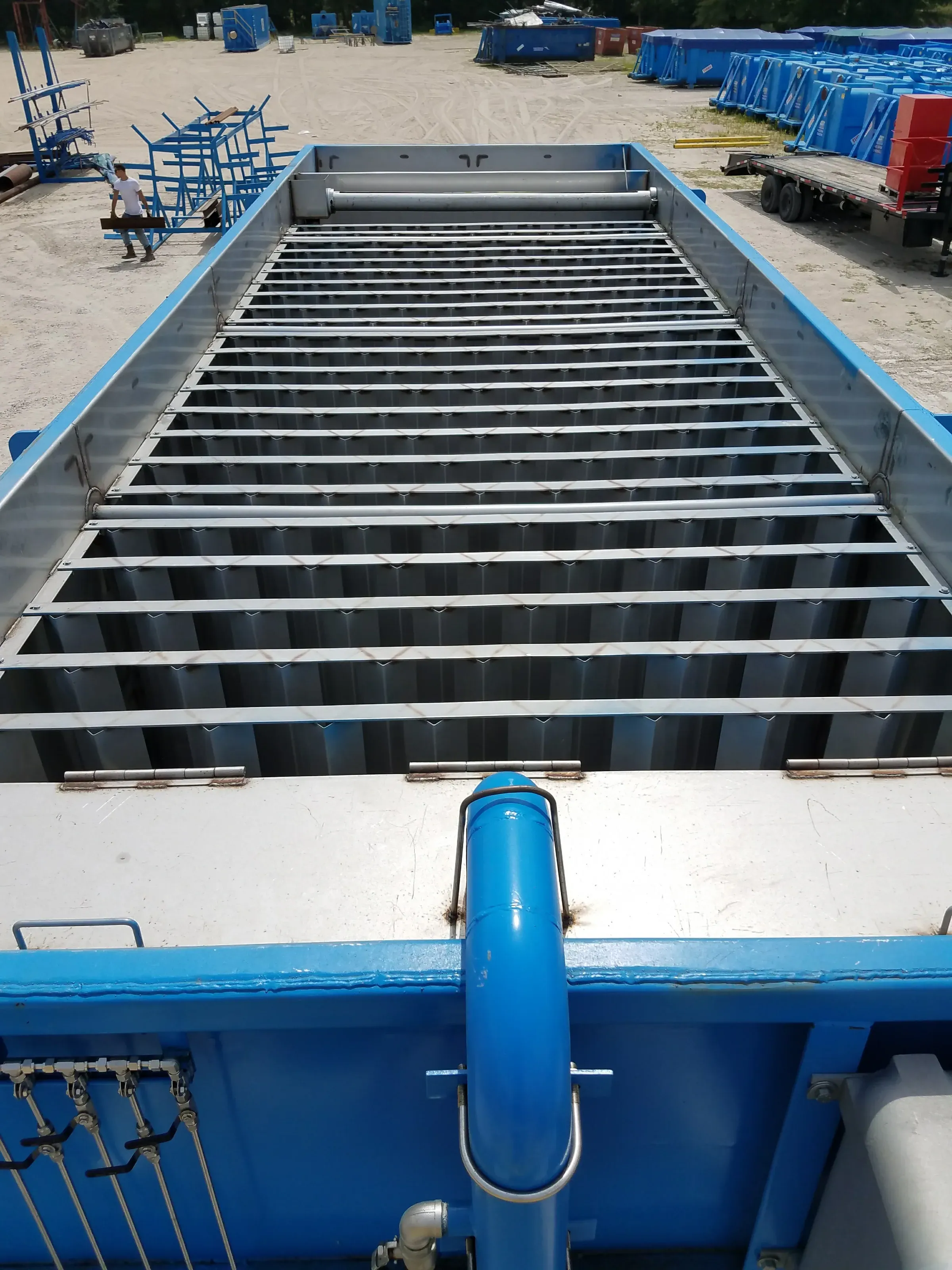
pH neutralization, oil–water separation, equalization and metals removal — the stages that keep sewer systems, surcharge bills and downstream biology out of trouble. Specified against your own sample rather than a generic table.
Proprietary bacteria cultures that strengthen biological treatment where the biomass is struggling.
Why it matters
Recovers a stressed system without a capital project.
Treatability
The bench work comes first
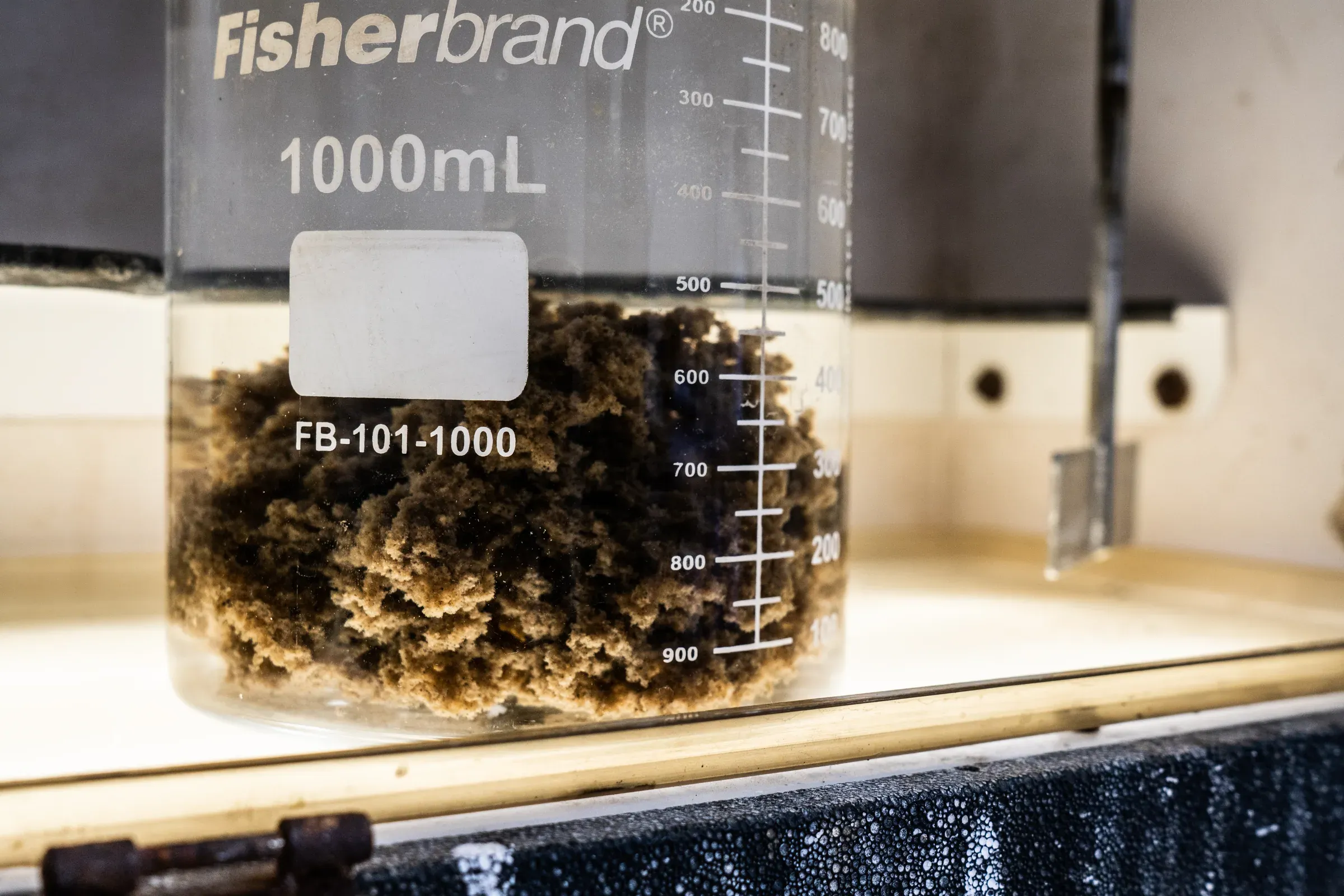
A pretreatment system specified from a catalog is a guess. Spectrum runs jar tests, treatability studies, microbiological profiling and chemical fingerprinting on your actual sample, and the results decide the chemistry, the dose and the equipment.
That work also produces the baseline you need later — when the stream changes, there is data to compare against rather than an argument about whether it used to run this way.
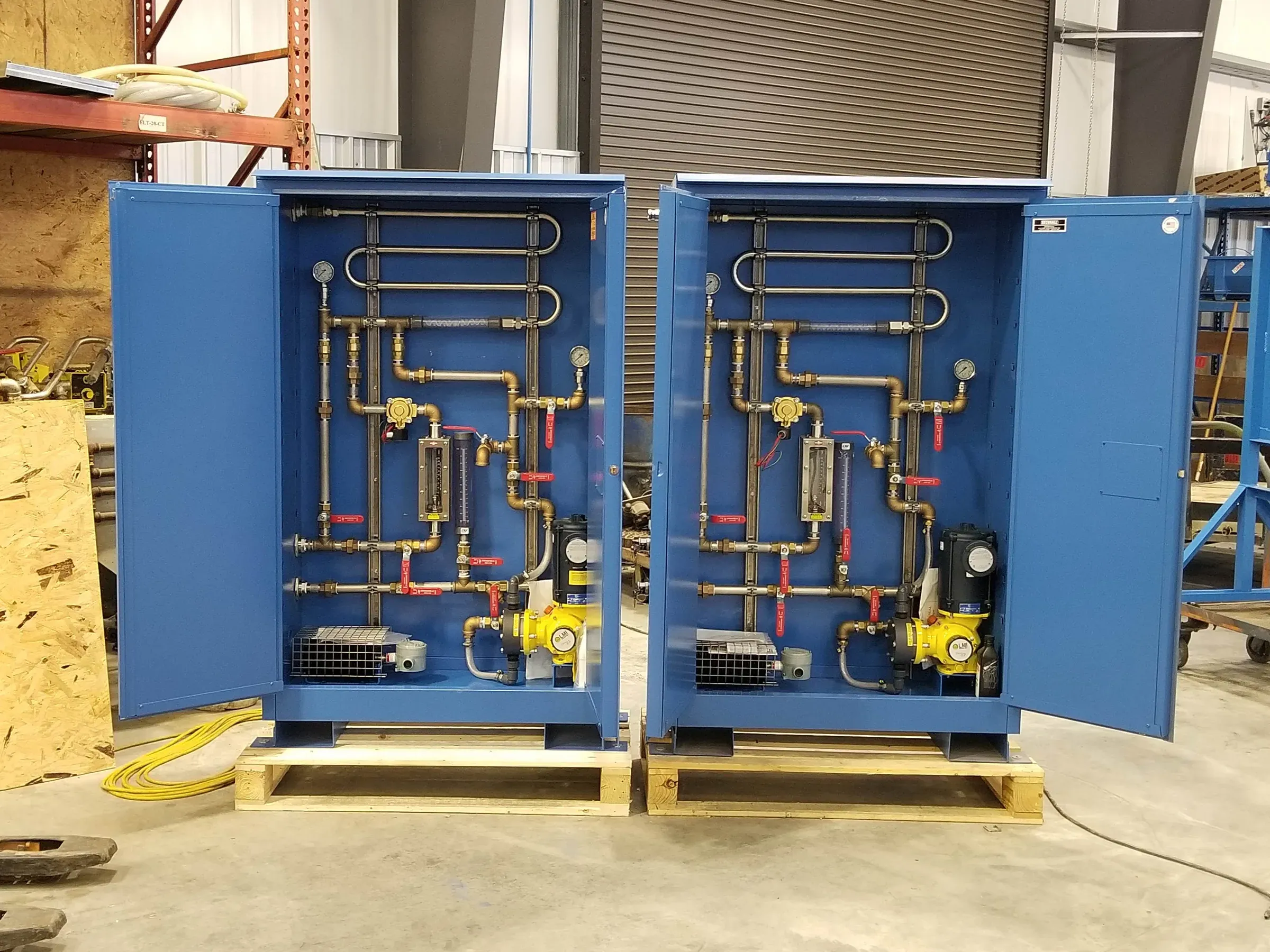
Chemical delivery systems, metering pumps, rotameters and inline injection panels are built in our own shop and arrive wet-tested. Automated polymer blending skids deliver consistent, properly hydrated solution to the DAF or press — because a correctly chosen polymer that is badly hydrated performs like the wrong polymer.
FAQs
What is pretreatment actually protecting?
Three things: the sewer system you discharge into, the biology in the downstream treatment plant, and your own surcharge bill. Categorical pretreatment standards set what has to come out before discharge, and pH, oil, metals, FOG and TSS are where most industrial sites fall foul of them.
How do you decide which chemistry to use?
On your sample, in our lab. Jar tests, treatability studies and chemical fingerprinting establish the coagulant, flocculant and dose that actually work on your stream. The alternative — specifying from a generic table — is how sites end up over-dosing an expensive polymer that was never right.
Can you run a pretreatment system as well as build it?
Yes. Spectrum supplies equipment on rental or sale, commissions it, and can operate it. On-site audits and operator coaching are available where you want to run it yourself but want the programme validated.
What if the load spikes rather than runs steady?
That is what equalization is for, and it is the stage most often undersized. EQ tanks buffer both flow and concentration, so the treatment stages behind them see an average rather than a peak. If you are getting intermittent excursions on an otherwise compliant plant, this is usually the cause.