Membrane filtration
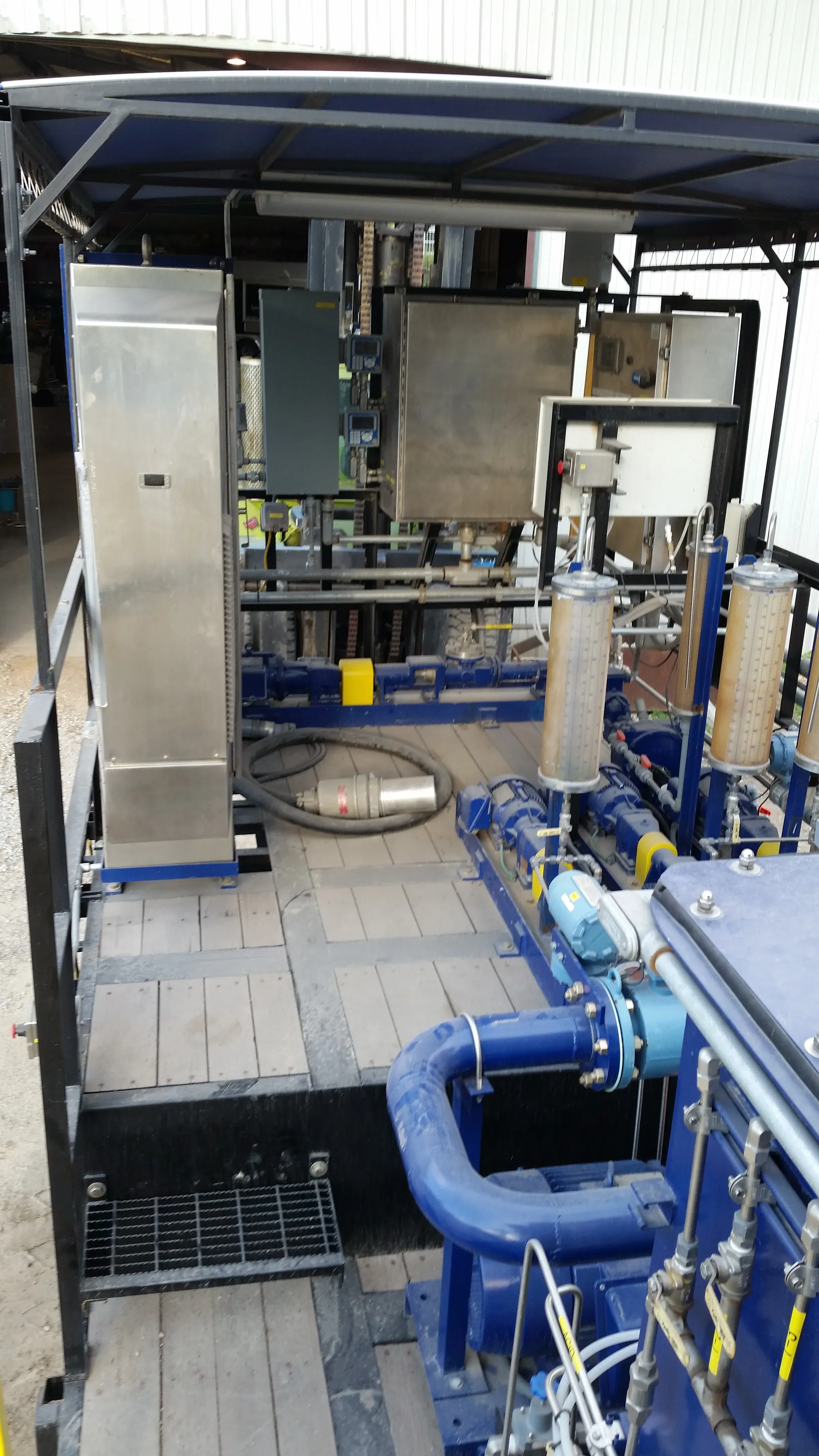
Ultrafiltration and reverse osmosis trains sized against the specific fouling load in your stream.
Why it matters
Produces water clean enough to put back into process rather than only clean enough to discharge.
Water Solutions
Membranes, biological polishing and disinfection that turn waste streams into reusable water — cutting freshwater demand and discharge fees at the same time. Designed backwards from the duty you actually need to feed.
Technology
Assembled to the duty — cooling tower makeup, wash-down and process water are not the same target.
Ultrafiltration and reverse osmosis trains sized against the specific fouling load in your stream.
Why it matters
Produces water clean enough to put back into process rather than only clean enough to discharge.
High-rate aeration and nutrient control that reduce BOD and COD to reuse-grade before final treatment.
Why it matters
Removes the organic load that would otherwise foul membranes within weeks.
Chemical and physical disinfection matched to the reuse duty and the storage arrangement behind it.
Why it matters
Stops biological regrowth in the reuse loop, which is the usual reason these systems quietly fail.
Media filtration and carbon adsorption ahead of the reuse point.
Why it matters
Catches the trace organics that make reclaimed water unacceptable to a process engineer.
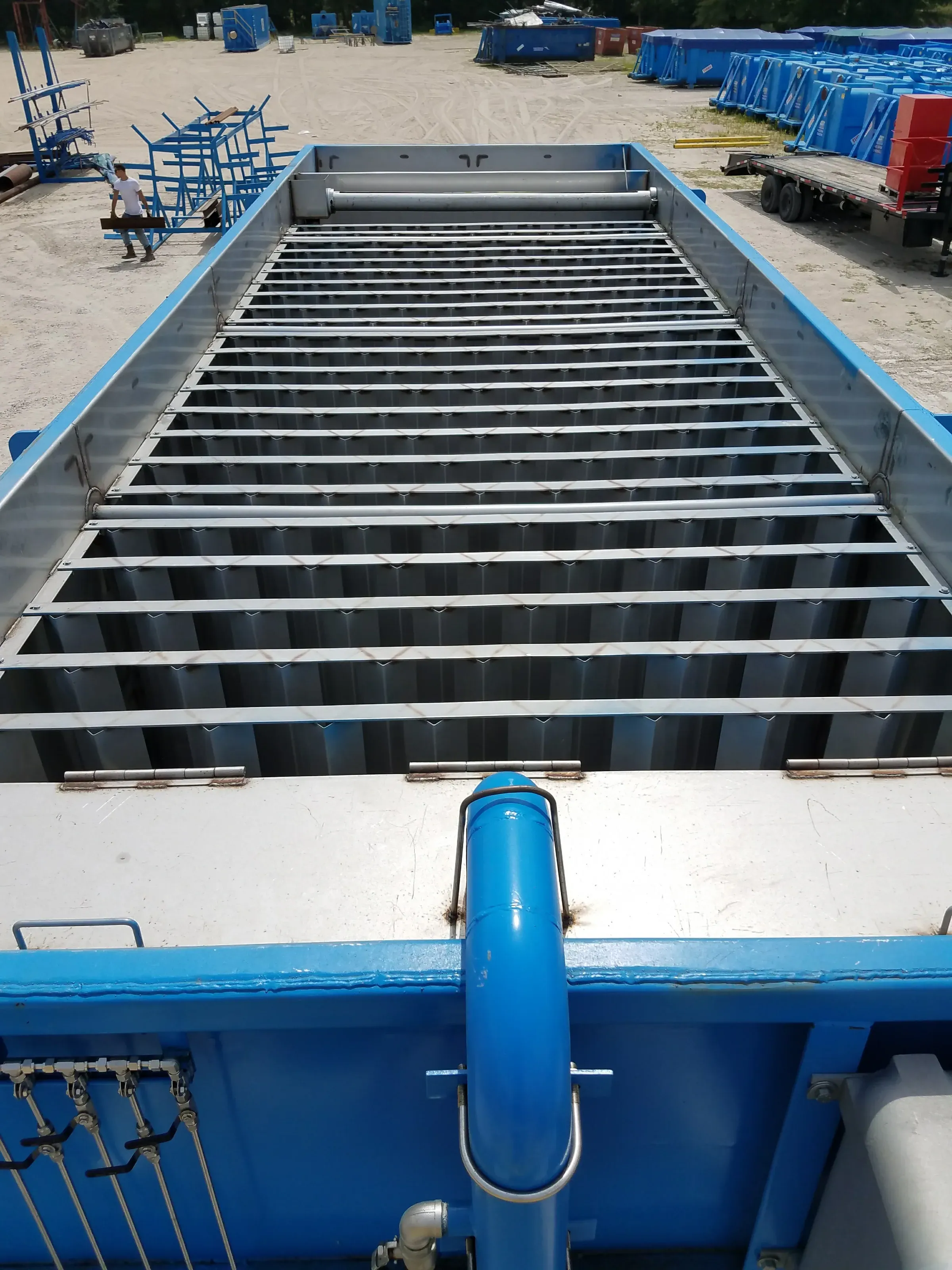
Oil, metals, FOG and TSS removed before anything reaches a membrane.
Why it matters
Membrane life is set almost entirely by what you let reach it.
The concentrate and sludge a reuse system produces, dewatered and disposed of by the same crew.
Why it matters
A recycling project that ignores the reject stream just moves the problem downstream.
Design
The common failure in reuse projects is specifying a membrane first and discovering the fouling load afterwards. Spectrum works the other way around: establish what the reclaimed water has to feed, establish what the source stream contains, then design the train between those two points.
That includes being honest when the numbers do not support it. On some sites better pretreatment and a lower surcharge is a stronger return than a reuse loop, and it is cheaper to find that out on paper.
Compliance
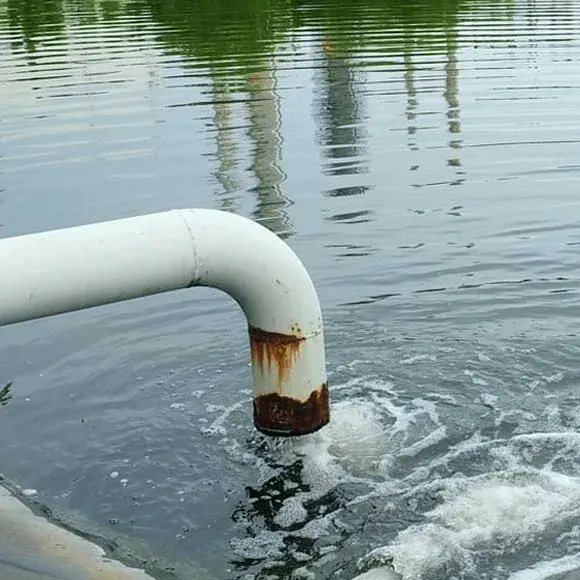
Every gallon that goes back into process is a gallon that never reaches the outfall, never appears in a composite sample and never attracts a surcharge. For sites operating close to a permit limit, reuse is as much a compliance strategy as a cost one.
Industries we work inIt moves two lines at once — the freshwater you buy and the effluent you pay to discharge. Whether that pays back depends on your local water cost, your discharge fees and any surcharge you attract. Spectrum will model it against your real flows before recommending anything, because on some sites the honest answer is that pretreatment alone is the better investment.
That is set by the duty, not by the technology. Cooling tower makeup, wash-down and process water all have different tolerances, and the train is designed backwards from whichever one you are feeding. The in-house lab establishes what your stream can realistically reach before any equipment is specified.
Concentrate and sludge are dewatered and disposed of through Spectrum, and where the material qualifies it goes into the beneficial reuse program rather than a landfill. This is the part most recycling proposals leave out.
Food and beverage, pulp and paper, refineries and data centers see the strongest cases, because all four combine high freshwater demand with a discharge stream that is expensive to send away. Municipal reuse is a growing part of the work too.
Four buckets, one call
Water, Environmental, Carbon, and Equipment run as one team under one contract — so you brief a single crew and get an answer, not a referral.