Treatability studies
Bench-scale trials that establish whether a treatment approach will work on your stream before anyone quotes equipment for it.
Why it matters
Removes the most expensive kind of surprise — the one discovered at commissioning.
Expertise
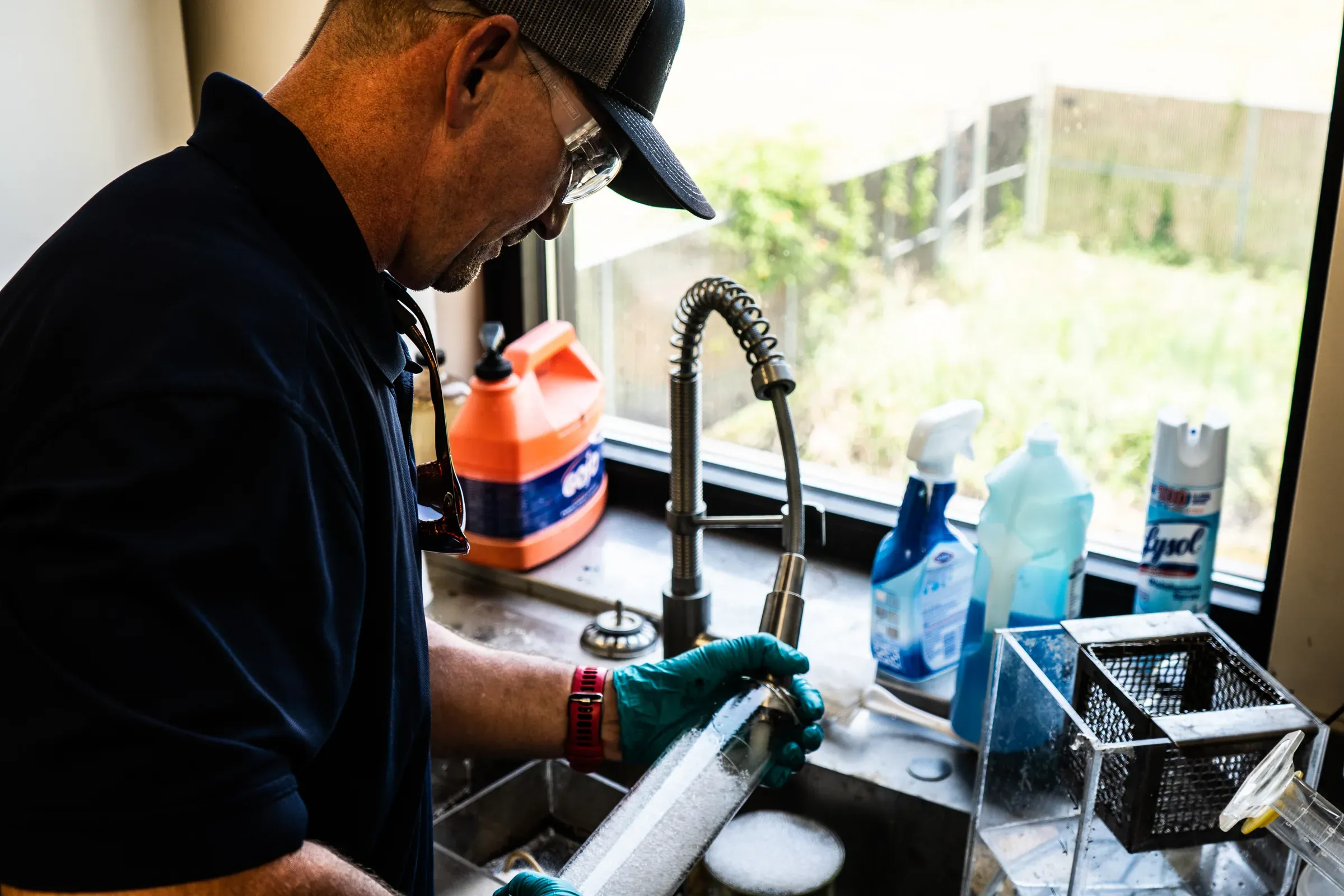
A full in-house laboratory delivering data-driven troubleshooting and continuous improvement — treatability studies, microbiological profiling and chemical fingerprinting, plus on-site audits, operator coaching and action plans that turn insight into measurable savings.
What the lab does
From specifying a new system to explaining why an old one stopped behaving.
Bench-scale trials that establish whether a treatment approach will work on your stream before anyone quotes equipment for it.
Why it matters
Removes the most expensive kind of surprise — the one discovered at commissioning.
Coagulant and flocculant screening at a range of doses, on your actual sample.
Why it matters
The polymer you are quoted is the one that formed the best floc in a beaker, not the one on the shelf.
Assessment of the biomass in a biological treatment system — what is present, what is thriving and what is not.
Why it matters
A struggling plant is usually a biology problem wearing a chemistry costume.
Identifying what a deposit, a foulant or an unknown stream actually contains.
Why it matters
You cannot select an acid, a carbon grade or a disposal route without knowing this.
Sampling and analysis supporting permit reporting and discharge monitoring.
Why it matters
The number in the report has a documented chain behind it.
Rapid analytical turnaround when a plant is upset and the cause is not obvious.
Why it matters
Data in hours rather than a week, which is usually the difference between a fix and an excursion.
Jar testing
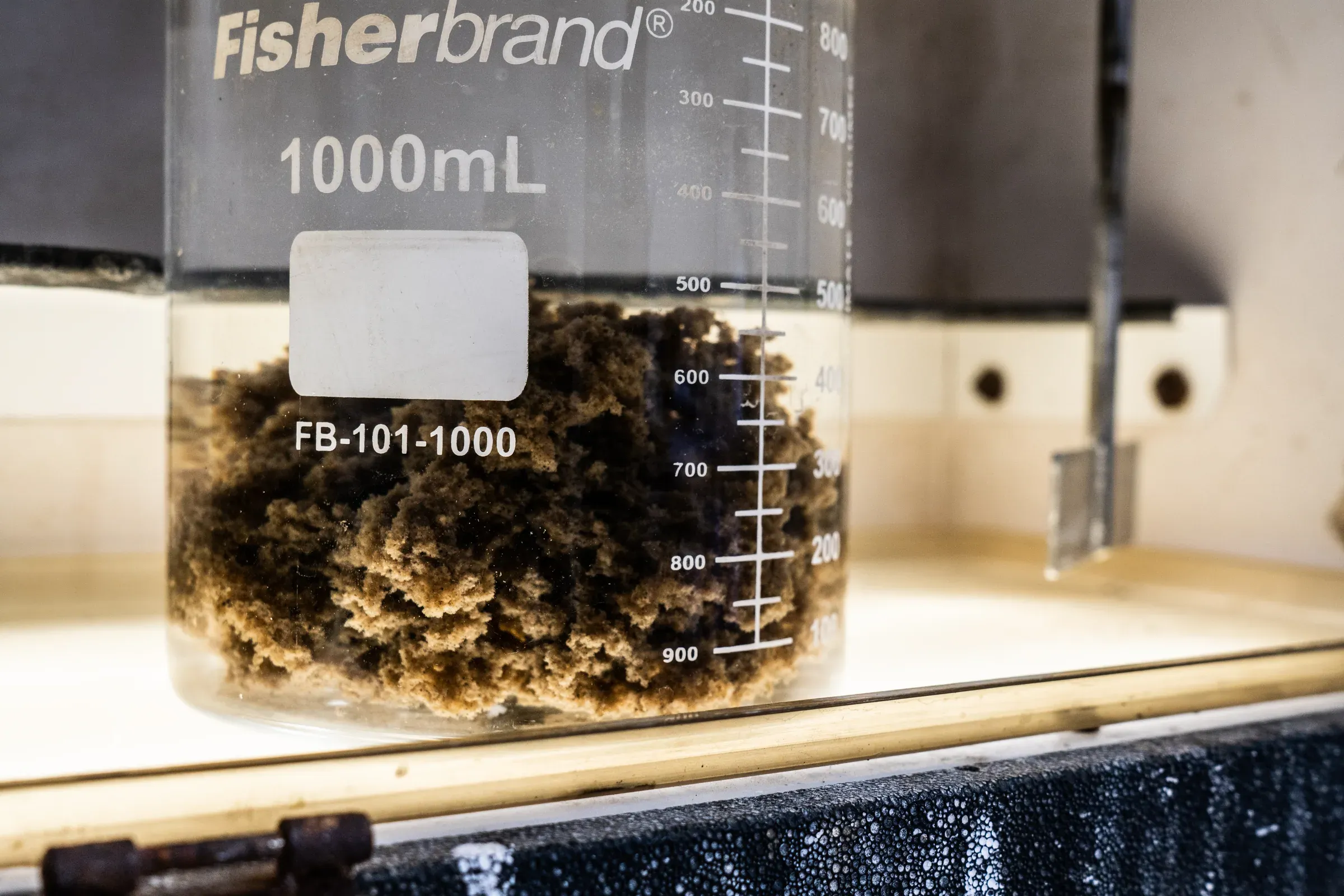
Dewatering and clarification performance are set by conditioning more than by equipment. A jar test screens coagulants and flocculants across a range of doses on your actual sludge, and the floc that forms in the beaker is the one you will get in the box.
The alternative — selecting from a generic table — is how sites end up over-dosing an expensive polymer that was never right for the stream.
Water Solutions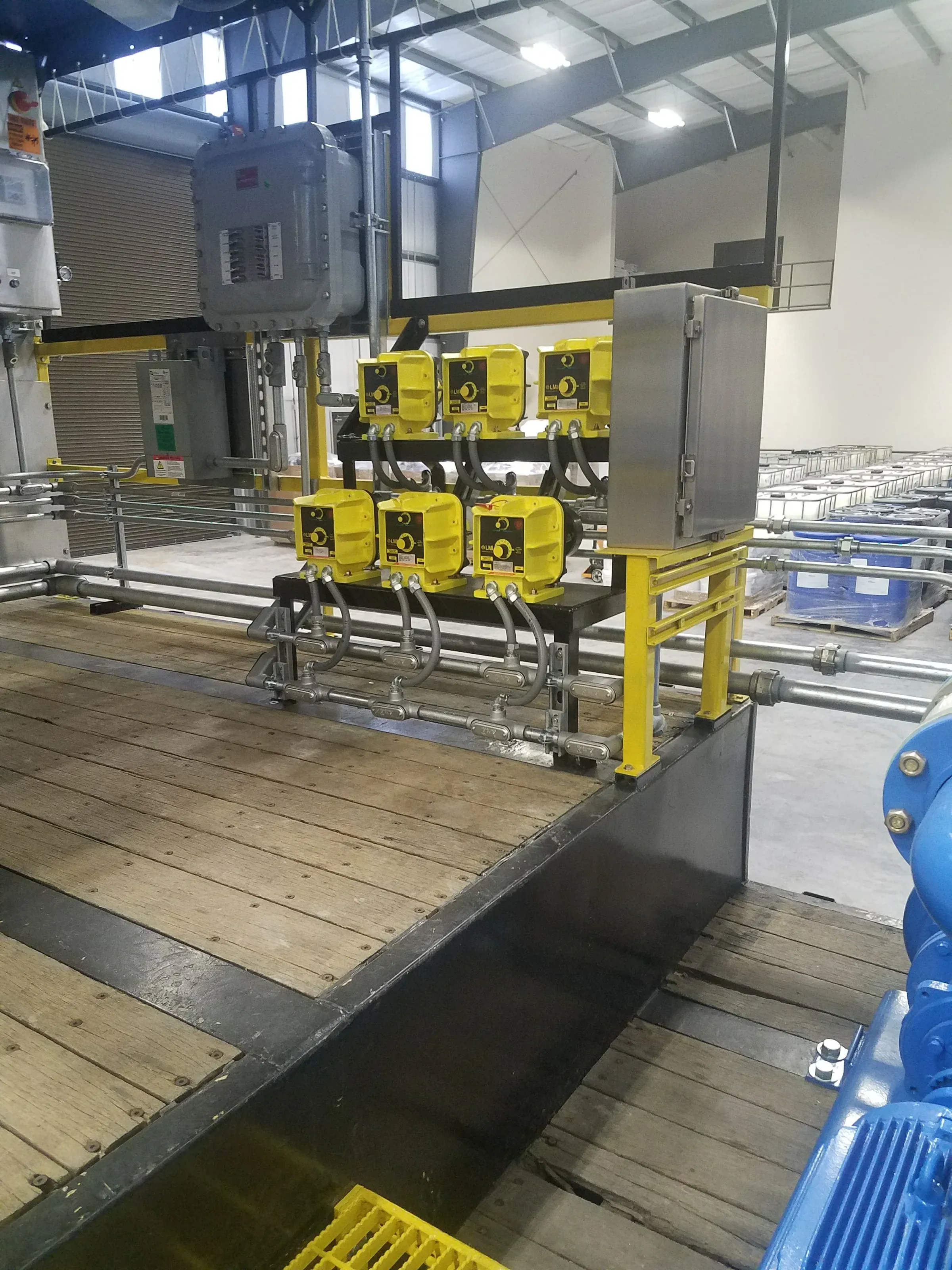
From bench to plant
Bench work is only useful if it survives contact with the plant. Spectrum's chemists specify the chemistry, the field crew commissions it, and both stay reachable when the influent shifts — which it always does. That continuity is the difference between a report and a program.
Because it changes what gets recommended. A vendor without a lab specifies from a product range; a vendor with one specifies from your sample. It also collapses the turnaround when a plant is upset — the analysis and the field crew work for the same company, so nobody is waiting on a third party.
Yes. Treatability studies, audits, operator coaching and analytical support are offered as consulting work in their own right. Plenty of clients start there.
You send a representative sample and the target — the permit limit, the reuse spec or the cake dryness you need. The lab runs bench trials across candidate chemistries and conditions, and reports what worked, what it cost and what full-scale equipment it implies.
It depends on the work — jar testing is quick, a full treatability study takes longer. For a plant in upset, rapid analytical turnaround is what the lab exists for. Call the 24/7 line and say what has changed.
Four buckets, one call
Water, Environmental, Carbon, and Equipment run as one team under one contract — so you brief a single crew and get an answer, not a referral.