“Is this a problem, and how do you fix it?” That call is where nearly every Spectrum relationship starts. Technical water and wastewater treatment consulting from engineers and chemists who run plants — with a full in-house laboratory behind the recommendation.
Spectrum grew out of technical wastewater consulting, and for most of that history the consulting was free. A plant would call with a stream that would not behave, our chemists would work out why, and Spectrum would quote the fix. That is still how it runs.
It survives because it is a better filter than a sales pitch. A recommendation built on bench work either holds up in the field or it does not, and the plants that know their process well are the ones who notice the difference. Being technical is the whole position — it is not a service line we added.
Engineers and chemists answer the first call, not a sales desk
Bench work on your sample before any chemistry is quoted
A straight answer when the fix is not something we sell
What we look at
Technical consulting & analytical services
Data-driven troubleshooting and continuous improvement, from the bench through to the operators running the plant.
Plant Troubleshooting
A stream that will not settle, a clarifier that keeps carrying over, a permit number drifting the wrong way — worked from the data rather than from a catalog.
How we work
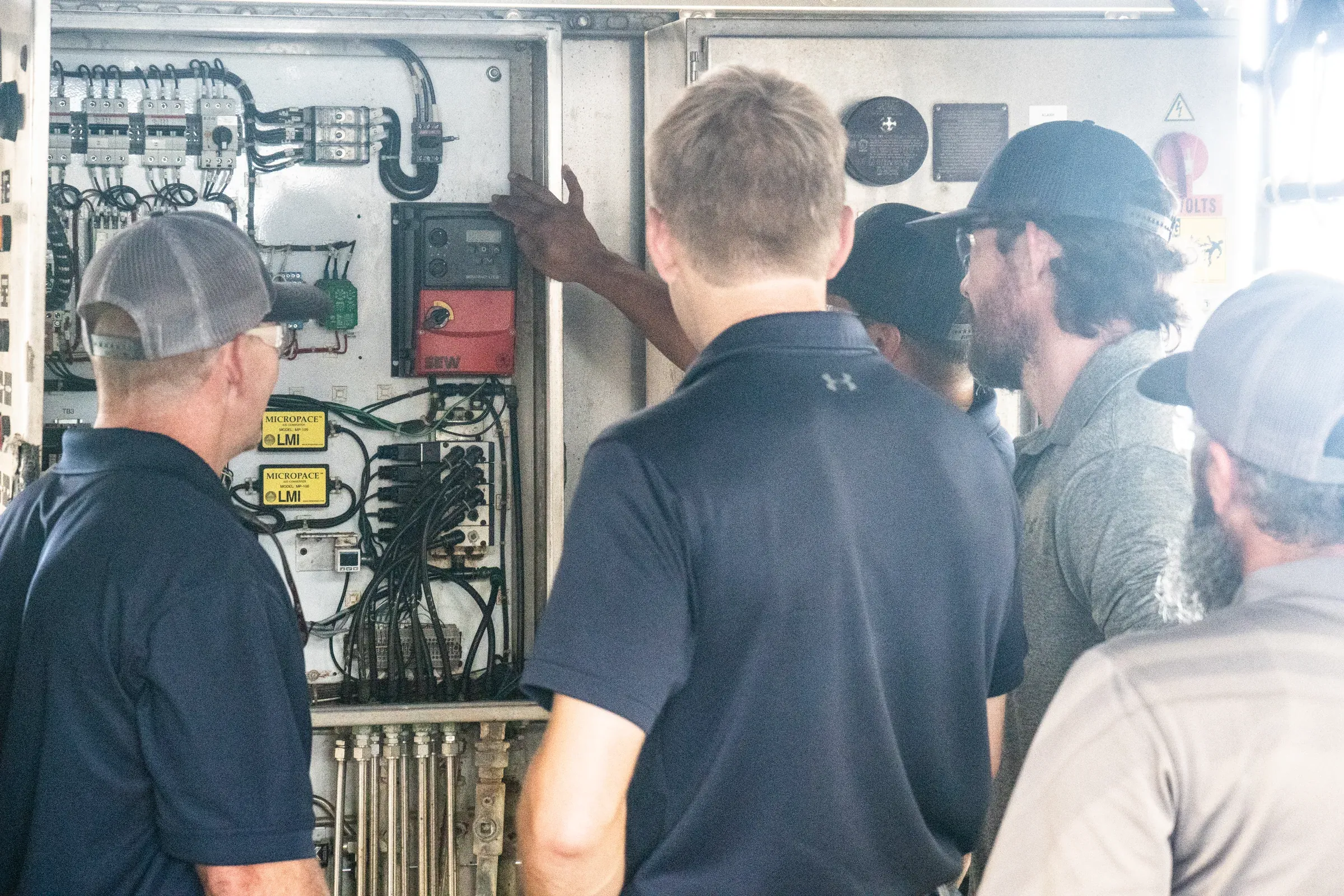
Our engineers and chemists run plants for a living, so the first question is what changed, not what we can sell you.
Treatability Studies
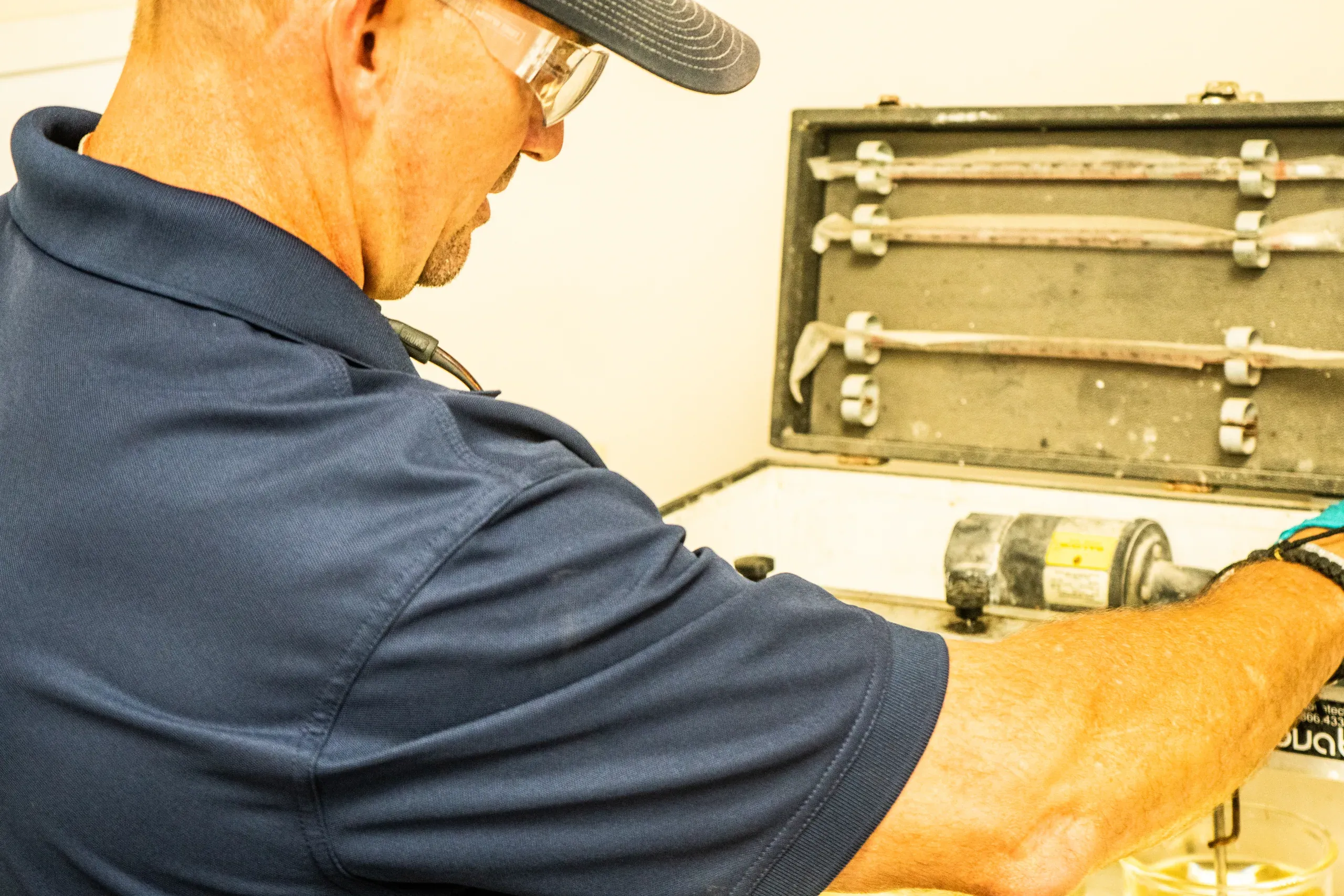
Jar tests, bench-scale trials, microbiological profiling and chemical fingerprinting run on your actual sample in our own laboratory.
How we work
The polymer or coagulant you are quoted is the one that worked on your water, not the one on the shelf.
A walk of the treatment train with the people who run it — feed rates, residence times, sampling points, chemical spend and where the process is actually losing ground.
How we work
Most plants are carrying one or two fixable inefficiencies that nobody has had time to chase down.
Technology & Equipment Selection
An honest read on whether the answer is chemistry, equipment, a process change or nothing at all — and what each one costs to run, not just to buy.
How we work
Spectrum builds and rents the equipment, so we can tell you when you do not need it.
Reading the permit against the process: what the limits actually require, where the headroom is, and what an excursion is likely to come from.
How we work
Compliance problems are usually process problems that arrived late.
Operator Coaching
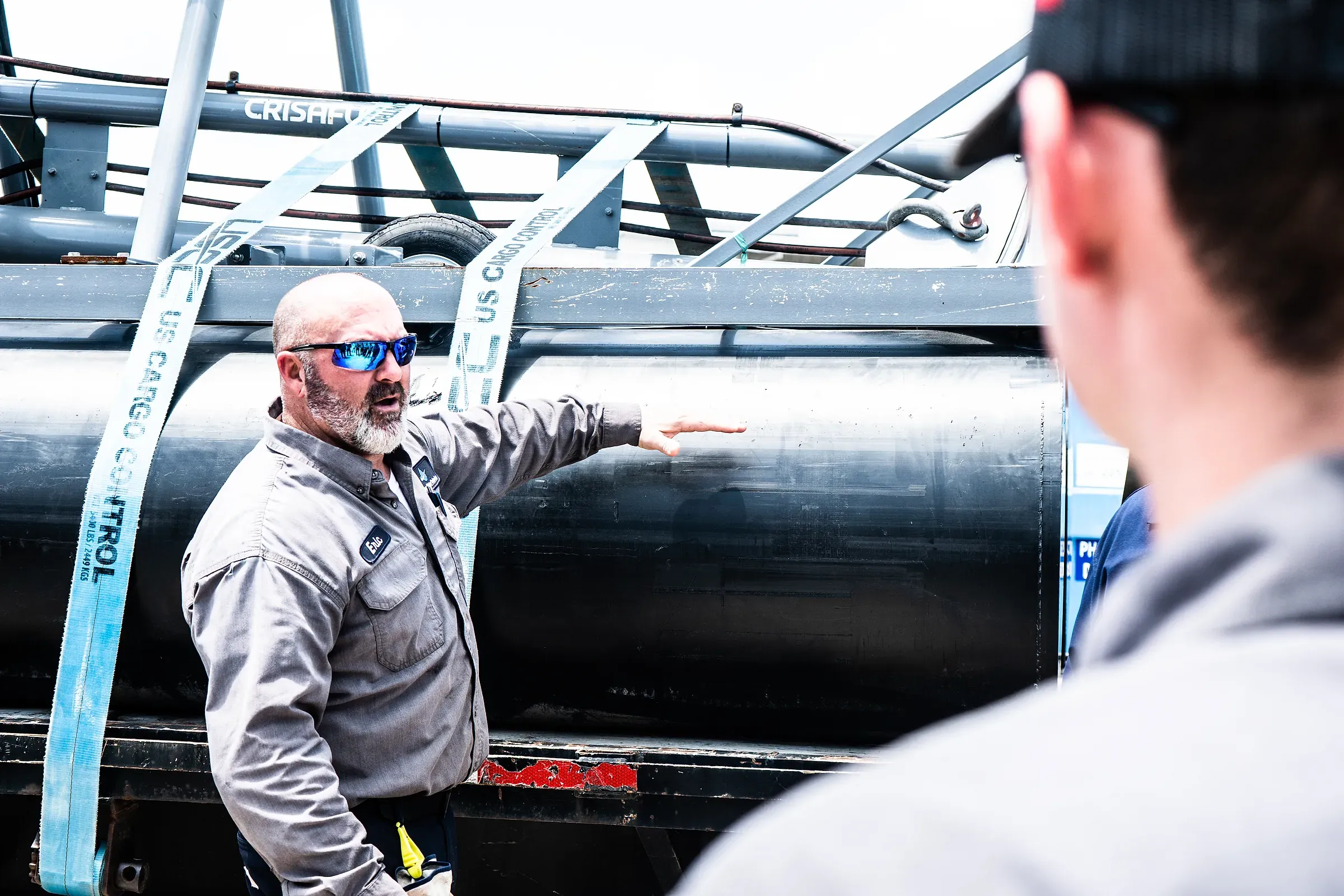
Time with your operators on your equipment — what to watch, what to adjust and what to leave alone.
How we work
A trained operator holds the improvement after our crew leaves. That is the whole point.
And then the crew
The same people who wrote the recommendation are on site for it
The gap most technical reports fall into is the handover — a study lands on a desk and nobody owns the execution. Spectrum closes it by running both ends. The chemists who ran the treatability study tune the feed rates at start-up, the technicians who commissioned the unit train your operators on it, and the crew that dewaters the residuals also profiles and disposes of them. One contract, one point of accountability, and no daylight between the advice and the work.
No. Spectrum has never charged for working out what is wrong — we sell the solution, not the diagnosis. Call with the problem, send the analysis, and you will get a straight technical read on it. If the fix is something we do not sell, we will tell you that too.
What makes this "technical" consulting rather than a sales call?
The people answering are engineers and chemists who run treatment plants, backed by a full in-house laboratory. Recommendations come from bench work on your sample and a look at your process, so the answer is specific to your stream. A sales call starts from a product; this starts from your data.
What do you need from me to start?
The stream, the flow rate, the permit or acceptance limits you are held to, and a recent analysis if you have one. If you do not, send a sample — the laboratory will run the profile. From there we can usually tell you within a few days whether this is a chemistry problem, an equipment problem or a process problem.
Will you recommend equipment you do not sell?
Yes, and we do it regularly. Spectrum rents, sells and fabricates a wide fleet, which means we have less reason than most to force a stream onto the wrong unit. Where the right answer is a process change or someone else’s technology, that is the recommendation you will get.
Can consulting turn into Spectrum running the work?
It usually does, and that is the business model — the study, the equipment, the crew and the disposal route all sit under one contract. But there is no obligation attached to the technical work. Plenty of clients take the study and run the fix themselves.
Customers served
Who Spectrum works for
Refineries, chemical plants, terminals and mills call Spectrum first when a stream stops behaving — most of them on recurring site contracts rather than one-off jobs.