Heat exchangers
Scale, corrosion product and process fouling dissolved in place, in circulation.
Why it matters
Restores heat transfer, which shows up immediately in throughput and fuel cost.
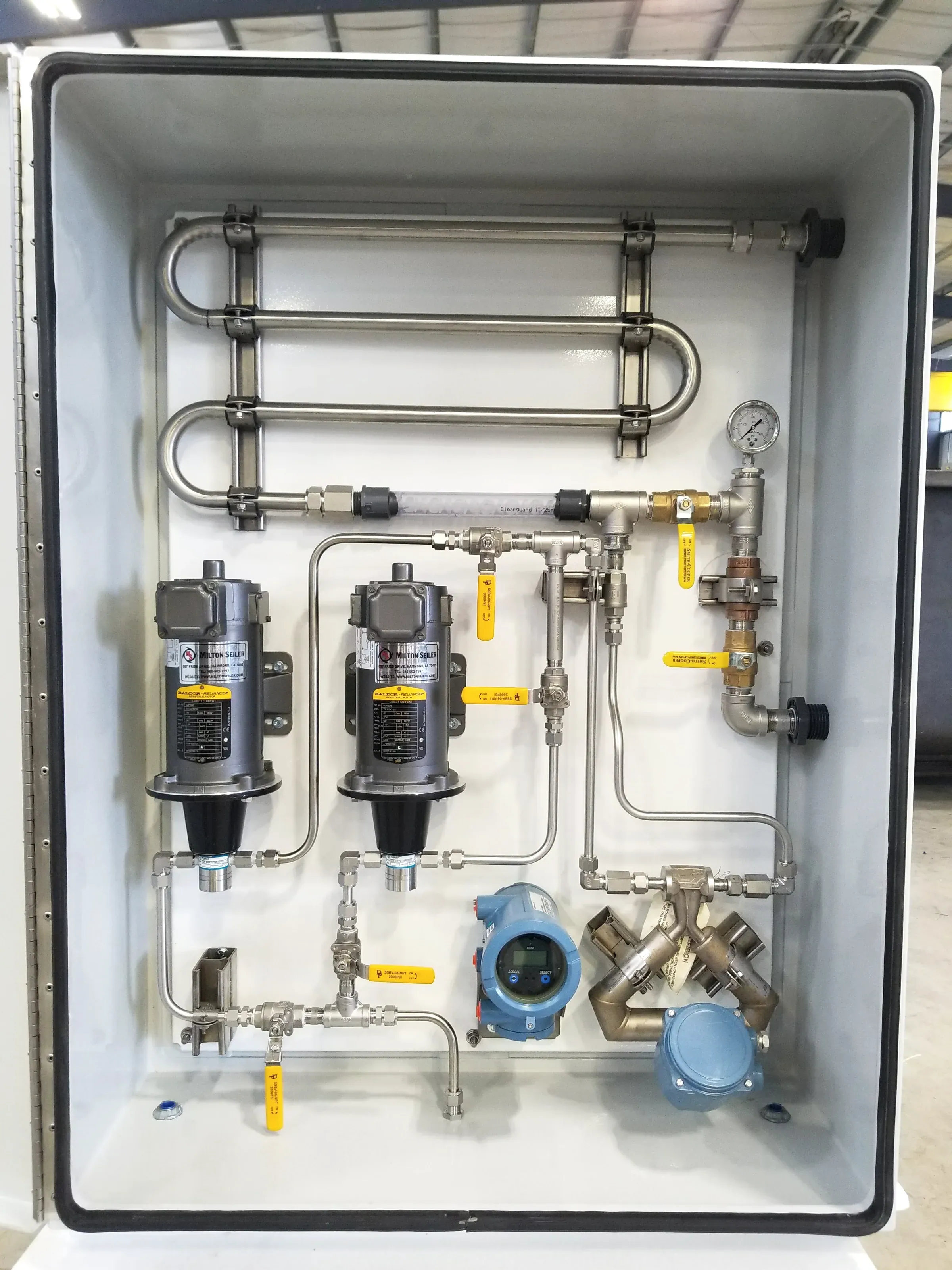
Water Solutions
Targeted formulations dissolve scale, rust and organics in heat exchangers, boilers and membranes — restoring efficiency and preventing the unplanned shutdown that follows fouling. The chemistry is chosen from the deposit and the metallurgy, in our own lab.
Applications
Anywhere the fouling is bonded to the surface, or the surface cannot be reached.
Scale, corrosion product and process fouling dissolved in place, in circulation.
Why it matters
Restores heat transfer, which shows up immediately in throughput and fuel cost.
Descaling and passivation on the water side, with the chemistry matched to the deposit and the metallurgy.
Why it matters
Deposit is an insulator — removing it recovers efficiency and removes a tube-failure risk.
Clean-in-place cycles targeted at the specific foulant, whether organic, biological or scale.
Why it matters
Recovers flux and defers a membrane replacement that costs many times the clean.
Circulation cleaning of process lines, jackets and coils without dismantling them.
Why it matters
Avoids the cut-and-reweld that mechanical cleaning would need.
Scale, biofilm and corrosion product removed from towers and closed loops.
Why it matters
Biofilm is both a heat-transfer problem and a Legionella risk; it is worth removing properly.
Post-clean passivation to leave a stable surface behind rather than a freshly bared one.
Why it matters
An uncoated surface after a clean will foul faster than the one you started with.
Method
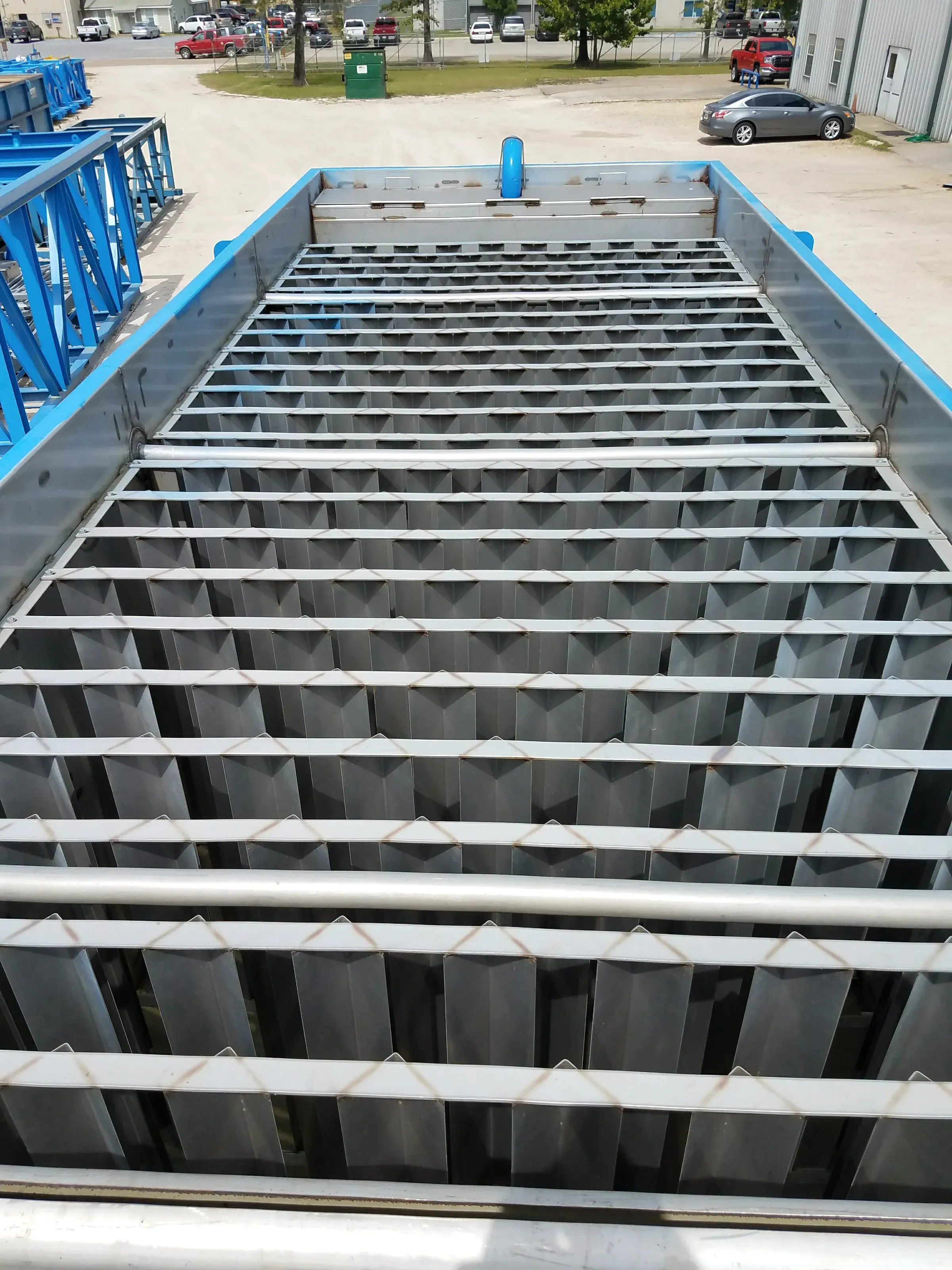
Mechanical cleaning removes what it can reach. Inside a shell-and-tube exchanger, a membrane element or a boiler water circuit, that is not very much — which is why fouling comes back so quickly after a mechanical clean.
Circulation cleaning reaches every wetted surface at once, and finishes with passivation so the freshly cleaned metal does not immediately start fouling again.
Analysis
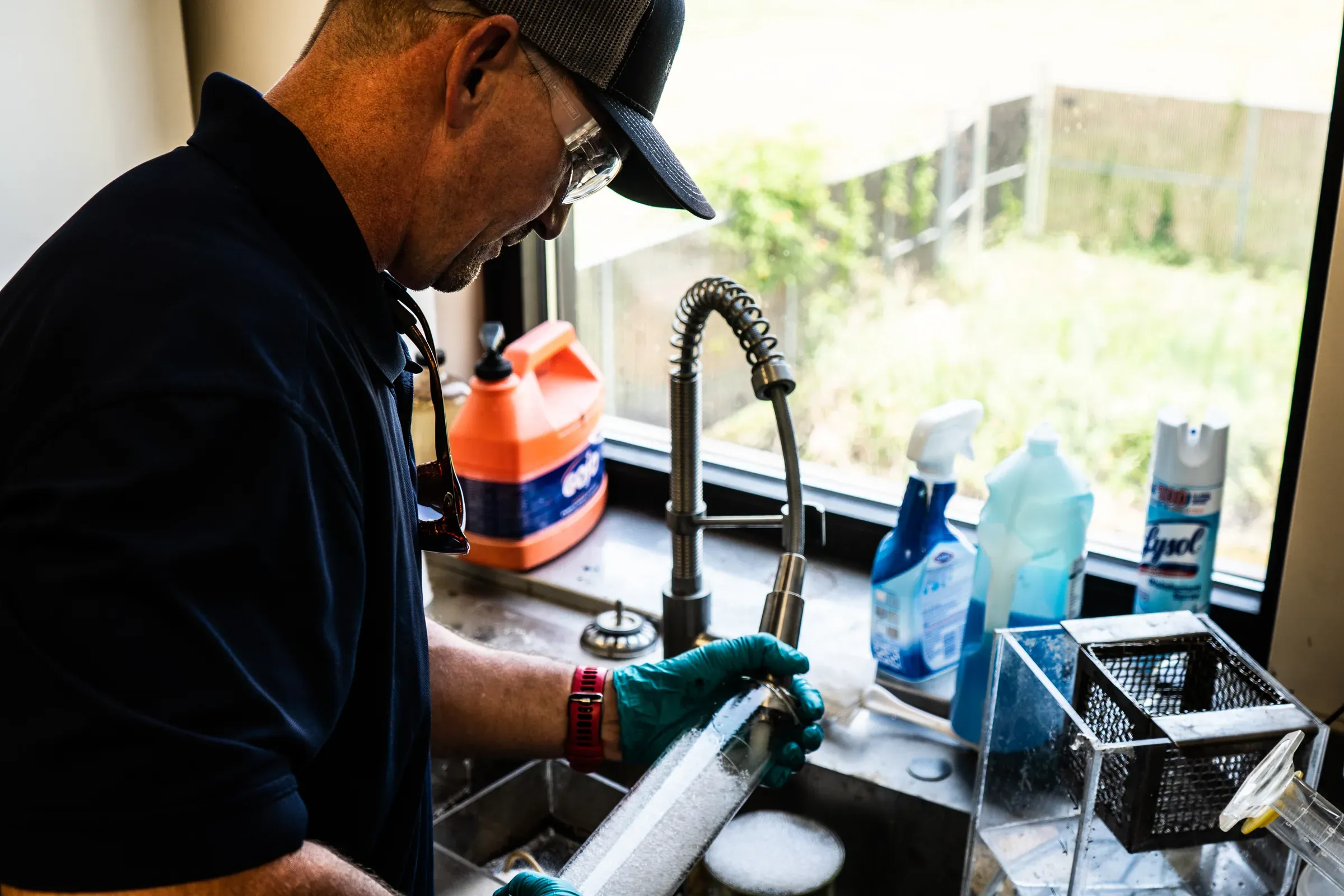
Chemical fingerprinting establishes what the deposit actually is — carbonate, sulfate, silica, corrosion product, biofilm or process organics — and the formulation follows from that. Getting this wrong is expensive in both directions: a chemistry too weak wastes an outage, and one too aggressive damages the asset you were trying to protect.
Inside the laboratoryFrom the deposit, not from a catalog. Spectrum’s in-house laboratory fingerprints the scale or foulant and confirms the chemistry against the metallurgy of the asset — because the formulation that dissolves the deposit fastest is not always one your equipment can survive.
Usually yes, but for far less time than mechanical cleaning would take, and without dismantling. Circulation cleaning reaches internal surfaces that no mechanical method can, which is often the whole reason for choosing it.
Spectrum takes it. Spent solution is neutralized, profiled, manifested and treated through Spectrum’s own permitted facilities — so the cleaning contractor and the disposal route are the same company, and there is one chain of custody.
Frequently that is the right answer: confined-space crews take out the bulk material and chemical cleaning handles what is bonded to the surface. Both sit inside Spectrum, so the sequencing is planned once rather than negotiated between two contractors.
Four buckets, one call
Water, Environmental, Carbon, and Equipment run as one team under one contract — so you brief a single crew and get an answer, not a referral.