Process vessels & storage tanks
Confined-space crews remove sludge, scale and bacterial growth from the inside of the asset.
Why it matters
Protects the vessel and the product quality that passes through it.
Water Solutions
Confined-space crews remove sludge, scale and bacteria from process vessels, storage tanks and basins — and because Spectrum dewaters, profiles and disposes of what comes out, the cleaning and the waste are one contract instead of two.
Scope
Removal, cleaning, dewatering and disposal, staged as one job.
Confined-space crews remove sludge, scale and bacterial growth from the inside of the asset.
Why it matters
Protects the vessel and the product quality that passes through it.
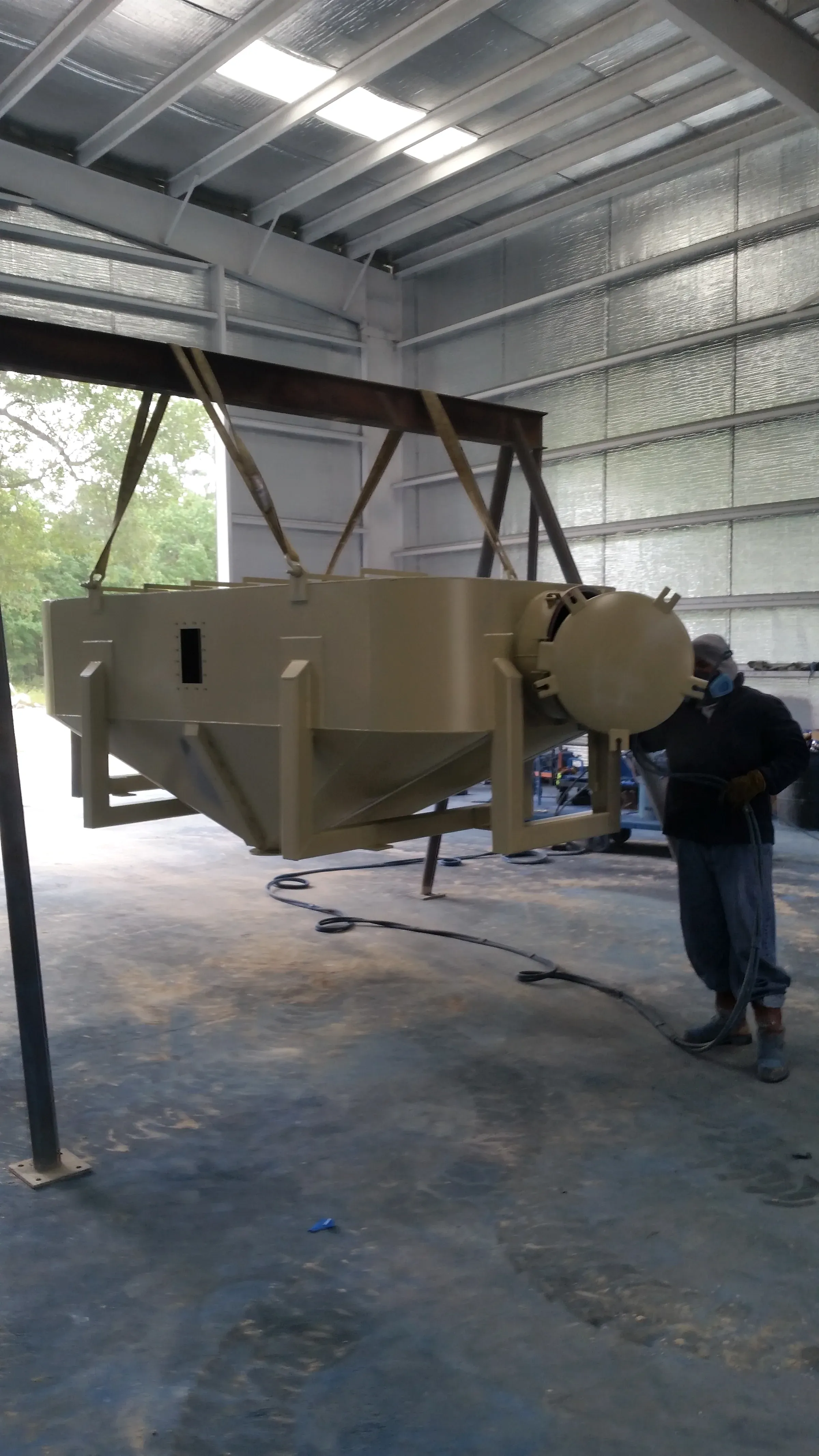
Accumulated solids removed and dewatered on site, with the box staged beside the asset.
Why it matters
Restores the working volume the basin was designed around.
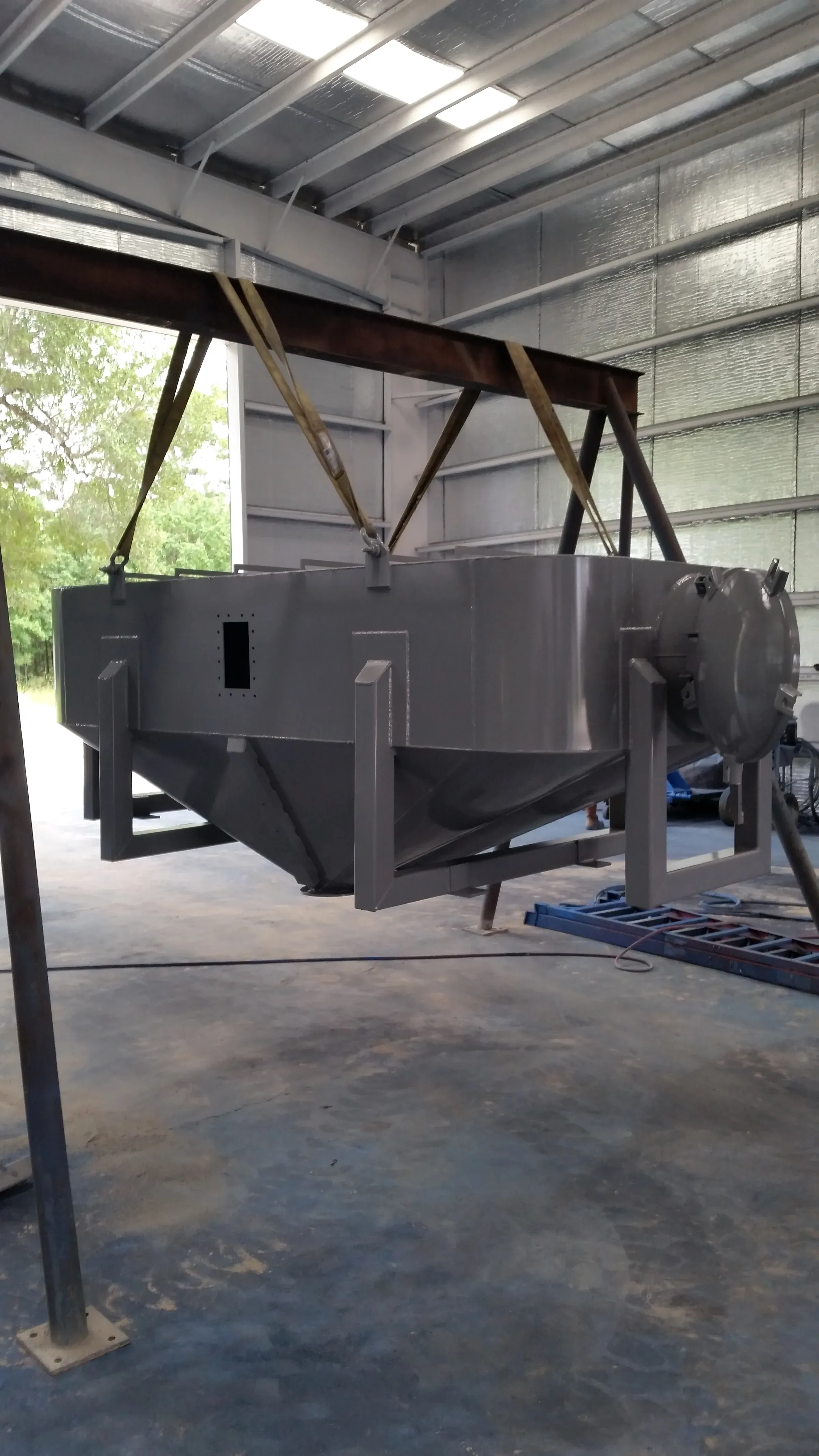
Heavy bottoms, debris and hard-to-pump material handled through Turbo Phase Separators rather than vacuum trucks alone.
Why it matters
Water leaves on site, so the haul is solids instead of slurry.
Where mechanical removal will not reach it, targeted formulations dissolve scale, rust and organics in place.
Why it matters
Restores heat transfer and throughput without cutting the asset open.
Vacuum-loadable enclosed boxes and packed-bed or mist-eliminator scrubbers for H₂S and acid gases.
Why it matters
Keeps the work from becoming a neighbor complaint or an exposure issue.
Everything removed is profiled, manifested and routed to a permitted facility by the same team.
Why it matters
One chain of custody, and one company answering for it.
How a cleanout runs
Nothing moves until the tank has been characterized and the entry is permitted.
What is in the tank determines the entry plan, the PPE, the removal method and the disposal route. Sampling comes before scheduling.
Lockout, isolation, atmospheric monitoring and the confined-space entry permit, with a documented rescue plan in place before anyone enters.
Pumps, vacuum equipment and confined-space crews take out the bulk of the sludge and debris, straight into dewatering staged alongside.
Mechanical or chemical cleaning brings the surfaces back to the standard the next service requires — inspection, coating or return to duty.
Dewatered residuals are profiled, hauled and manifested, and the closeout package is handed over with the asset.
ResultVessel back in service, with the paperwork already complete.
Safety
Confined-space work is where this job is genuinely dangerous, so it is where the discipline goes. Isolation, lockout, continuous atmospheric monitoring and a documented rescue plan are in place before anyone opens a manway — and the compliance managers who write that plan are the same people Spectrum embeds on client sites full time.
Safety & compliance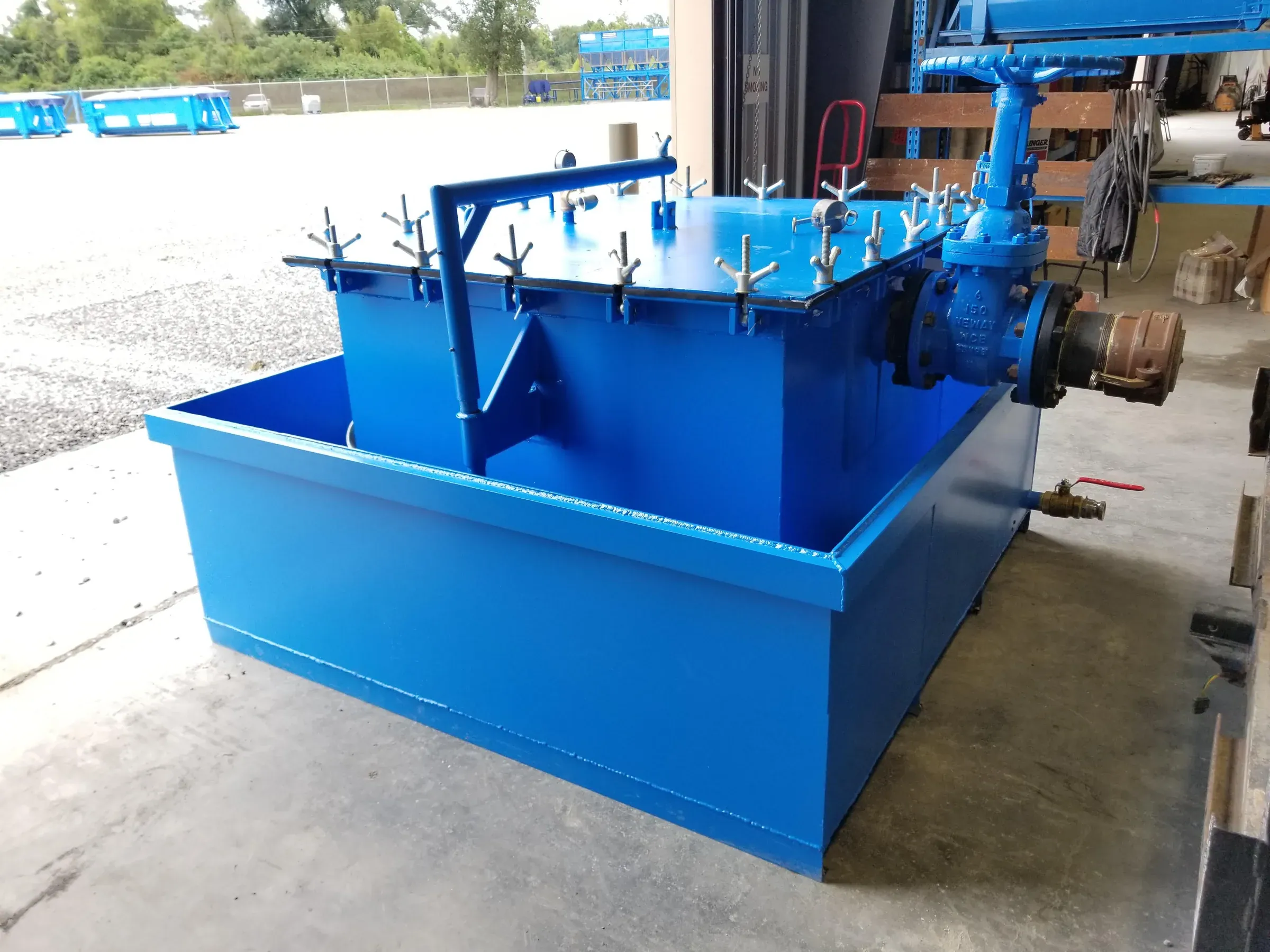
What comes out
Tank bottoms are mostly water, and hauling water is the most expensive mistake on a cleanout. Boxes are staged beside the asset so residuals are dewatered as they come out, then profiled and manifested through Spectrum's permitted facilities. Where the material qualifies, it goes into the beneficial reuse program instead of a landfill.
Waste disposalYes. Tank cleaning is performed by confined-space crews, and Spectrum also fields RCRA-certified technicians and respirator-trained personnel for the work that needs them. Isolation, atmospheric monitoring and a documented rescue plan are in place before entry.
Yes, and that is the main reason sites use Spectrum for this. What comes out of the tank is dewatered on site, then profiled, transported, treated and documented through Spectrum’s own permitted facilities — so cleaning and disposal are one contract rather than two vendors pointing at each other.
By taking the water out before anything leaves. Tank bottoms are mostly water, and running them through Turbo Phase Separators rather than hauling slurry is what changes the economics — roughly twice the dry tons per haul versus typical dewatering, which means far fewer trucks on the road for the same cleanout.
That is normally when this work happens. Tell us the window and the condition the vessel needs to be in at the end of it, and the plan is built backwards from that date. Crews are available 24/7.
Vacuum-loadable Turbo Phase Separators can be completely enclosed to contain volatiles and odors, and packed-bed or mist-eliminator scrubbers handle H₂S and acid gases where the stream calls for it.
Four buckets, one call
Water, Environmental, Carbon, and Equipment run as one team under one contract — so you brief a single crew and get an answer, not a referral.