Waste profiling
Characterization and profiling that establish what the stream is and which route it can legally take.
Why it matters
The profile decides the cost and the liability — getting it right first is cheaper than correcting it later.
Environmental Solutions
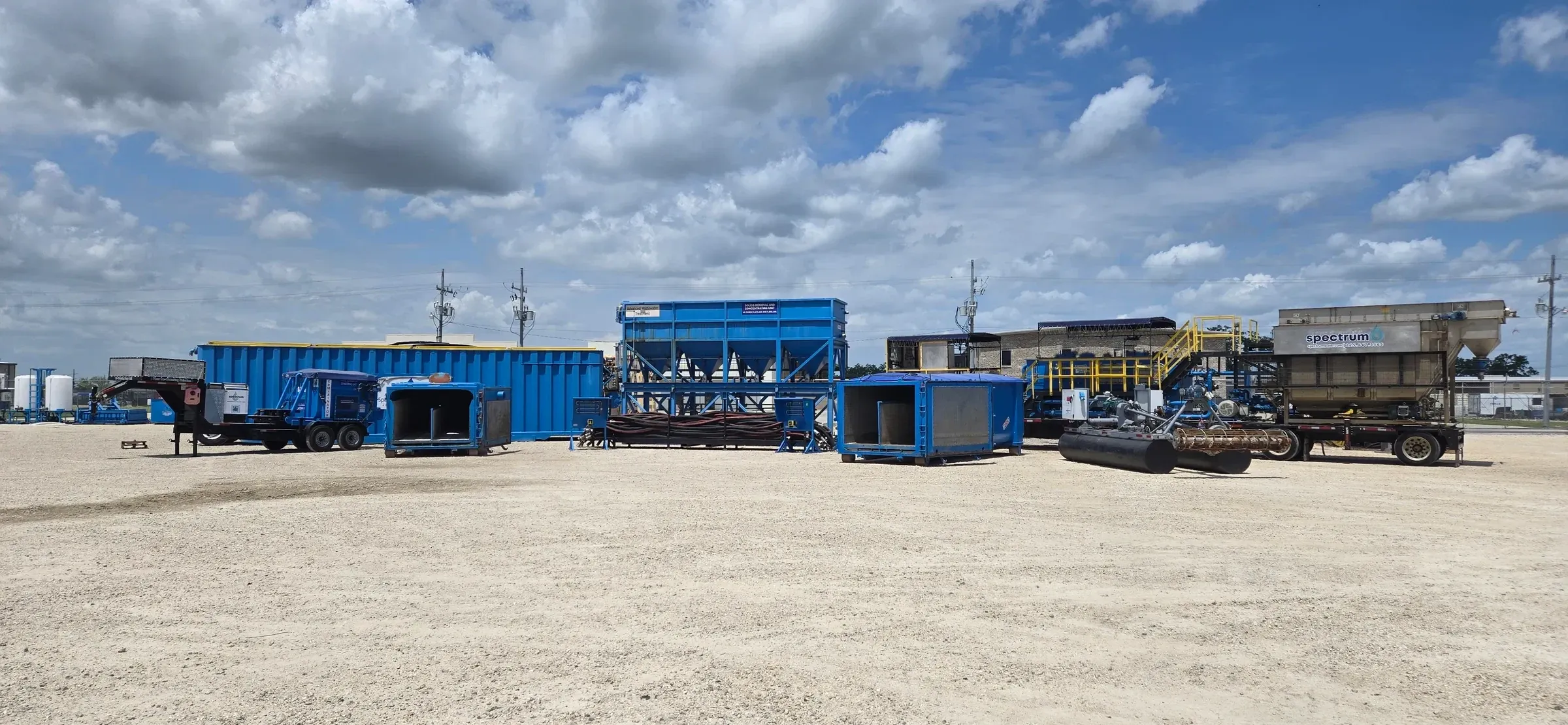
Profiling, transport, treatment, disposal and documentation, managed under one roof from our fully permitted centralized hub in Lake Charles — including RCRA 10-day transfer and a beneficial reuse route for material that does not need to be landfilled at all.
Figures as published by Spectrum Water.
Capability
From the first sample to the closeout package, without a handoff.
Characterization and profiling that establish what the stream is and which route it can legally take.
Why it matters
The profile decides the cost and the liability — getting it right first is cheaper than correcting it later.
Compliant transport from your site to a permitted Spectrum facility, manifested end to end.
Why it matters
One chain of custody, with no handoff between companies where documentation goes missing.
A fully permitted hub in Lake Charles, LA, with a multi-stage physical, chemical and biological treatment train.
Why it matters
Streams that would need three vendors arrive at one receiving point.
The Lake Charles facility is a permitted RCRA 10-day storage site, so drums and supersacks can be consolidated before onward shipment.
Why it matters
Full loads instead of partial ones, which cuts freight without cutting compliance.
Where the material qualifies, it is recovered and placed with a buyer rather than landfilled.
Why it matters
Turns a disposal line into a revenue line, and takes 30–50% off landfill and incineration fees.
Manifests, analytical data and closeout packages assembled as the work happens.
Why it matters
The audit file exists before the auditor asks for it.
How a stream moves
Five stages, each gated on the one before it.
Analysis and characterization establish the waste code, the hazards and the acceptable routes. Nothing is scheduled before this is settled.
Spectrum confirms which facility can take the material, under which permit, and what the treatment route will be.
Compliant transport from your site, with the chain of custody documented from the moment the container is sealed.
Material is routed through the multi-stage treatment train, or diverted into coproduct recovery where it qualifies as a reusable material.
Treated effluent is discharged under CWA/NPDES permit with continuous monitoring and composite sampling, and the documentation package is closed out.
ResultZero Notices of Violation logged across the program last year.
Permitted operations
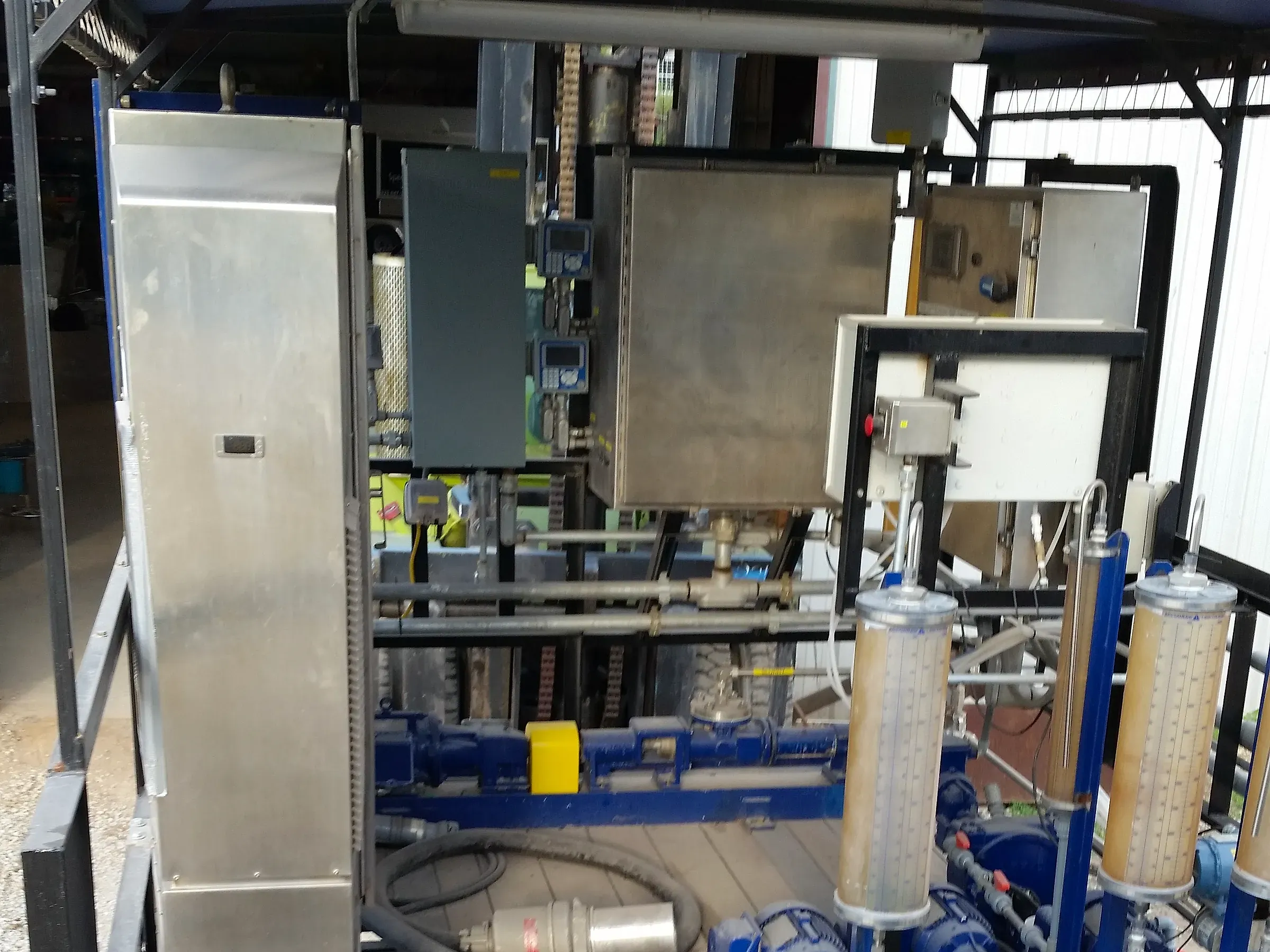
The facility discharges under strict CWA/NPDES permits. Continuous online monitoring, automated composite sampling and routine third-party audits mean compliance is demonstrated as a matter of record rather than asserted after the fact — which is why the program logged zero Notices of Violation last year.
The alternative to a landfill
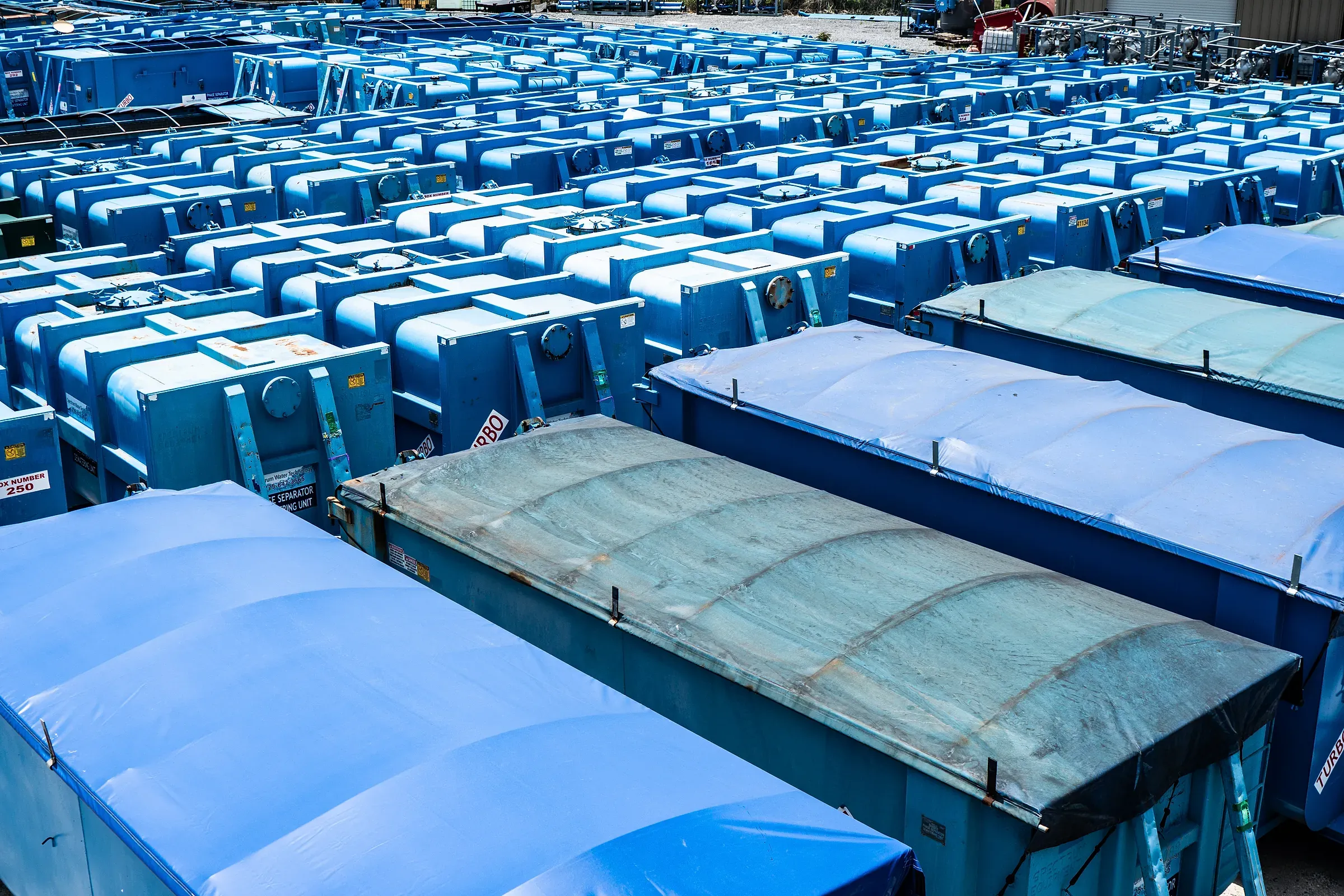
A meaningful share of what most plants send for disposal is on-spec material with a buyer waiting. Spectrum's beneficial reuse program captures glycol, oils and high-BTU sludges, reblends them as raw materials or fuels, and places them with a vetted buyer — cutting landfill and incineration fees by 30–50% while generating a new income line.
Inside the reuse programA broad range of hazardous and non-hazardous industrial streams through the fully permitted Lake Charles hub. Acceptance is confirmed against the profile before anything is scheduled — send the analysis and you will get a straight yes or no.
The facility discharges under strict CWA/NPDES permits, with continuous online monitoring, automated composite sampling and routine third-party audits. Every gallon meets or surpasses Clean Water Act requirements before release.
It lets Spectrum hold and consolidate containers for up to ten days at the Lake Charles site before onward shipment. In practice it means drums and supersacks can be combined into full loads for a TSDF or reactivation kiln, so you are not paying to move half-empty trailers.
For a meaningful share of it, yes. On-spec liquids and solids — glycol, oils, high-BTU sludges — are captured and reblended as raw materials or fuels, and a network of over 50 vetted refiners, blenders and recyclers takes the material immediately.
Four buckets, one call
Water, Environmental, Carbon, and Equipment run as one team under one contract — so you brief a single crew and get an answer, not a referral.