Skip to content

National coverage

(225) 647-3565

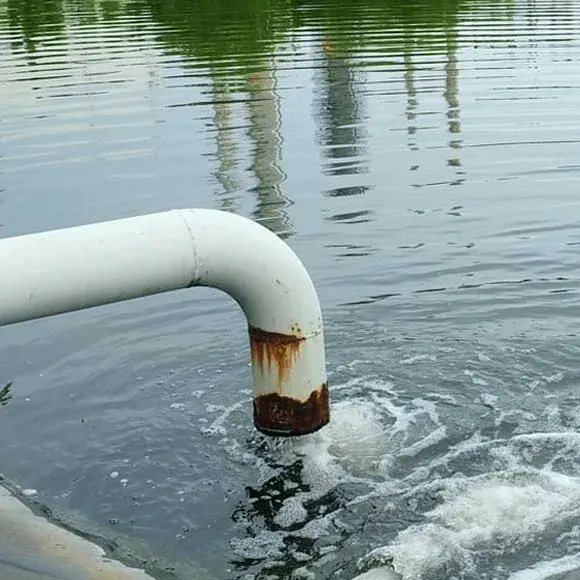
Treated effluent discharging to an outfall channel

Environmental Solutions

Plans that match the plant as it runs today

Custom SPCC and SWPPP plans written to facility specifics and updated whenever processes change — backed by mock audits, document control and live workforce training that keep you EPA-ready 365 days a year rather than for the fortnight before an inspection.

365
days a year inspection-ready, not two weeks
Zero
Notices of Violation logged across the program
On-site
RCRA-certified compliance managers

Figures as published by Spectrum Water.

Regulatory planning

Writing the plan is the smallest part

Keeping it true, evidenced and known by the crew is what actually survives an inspection.

SPCC plans

Spill Prevention, Control and Countermeasure plans written to the specifics of your tanks, containment and transfer points.

Why it matters

A generic plan fails at the one moment it is needed, and an inspector can tell the difference immediately.

SWPPP plans

Stormwater Pollution Prevention Plans covering site drainage, exposure points and control measures as they actually exist.

Why it matters

Stormwater is where most sites are exposed, because the discharge happens when nobody is watching.

Plan maintenance

Plans revisited and revised whenever processes, tanks or drainage change.

Why it matters

A plan that describes last year’s plant is a finding, not a defense.

Mock audits

Full dry-run inspections against the plan, with findings issued the way a regulator would issue them.

Why it matters

Far better to fail a mock audit than a real one.

Document control

Records, inspections and training logs organized so the evidence exists in the form an auditor expects.

Why it matters

Most violations are documentation failures rather than operational ones.

Workforce training

Live training so the people on shift know the plan, and daily toolbox talks that keep it current.

Why it matters

A plan nobody has read is paperwork; a plan the crew knows is a control.

Technician hauling a suction hose over his shoulder across a sand pad beside a blue steel treatment tank

Embedded teams

Compliance managers inside your operation

When regulations tighten and production never stops, having Spectrum's experts on site is the ultimate risk-reducer. RCRA-certified technicians and compliance managers become part of your daily operation — tracking every drum, authoring every manifest and safeguarding every audit file — so the plan and the plant never drift apart.

Safety & compliance
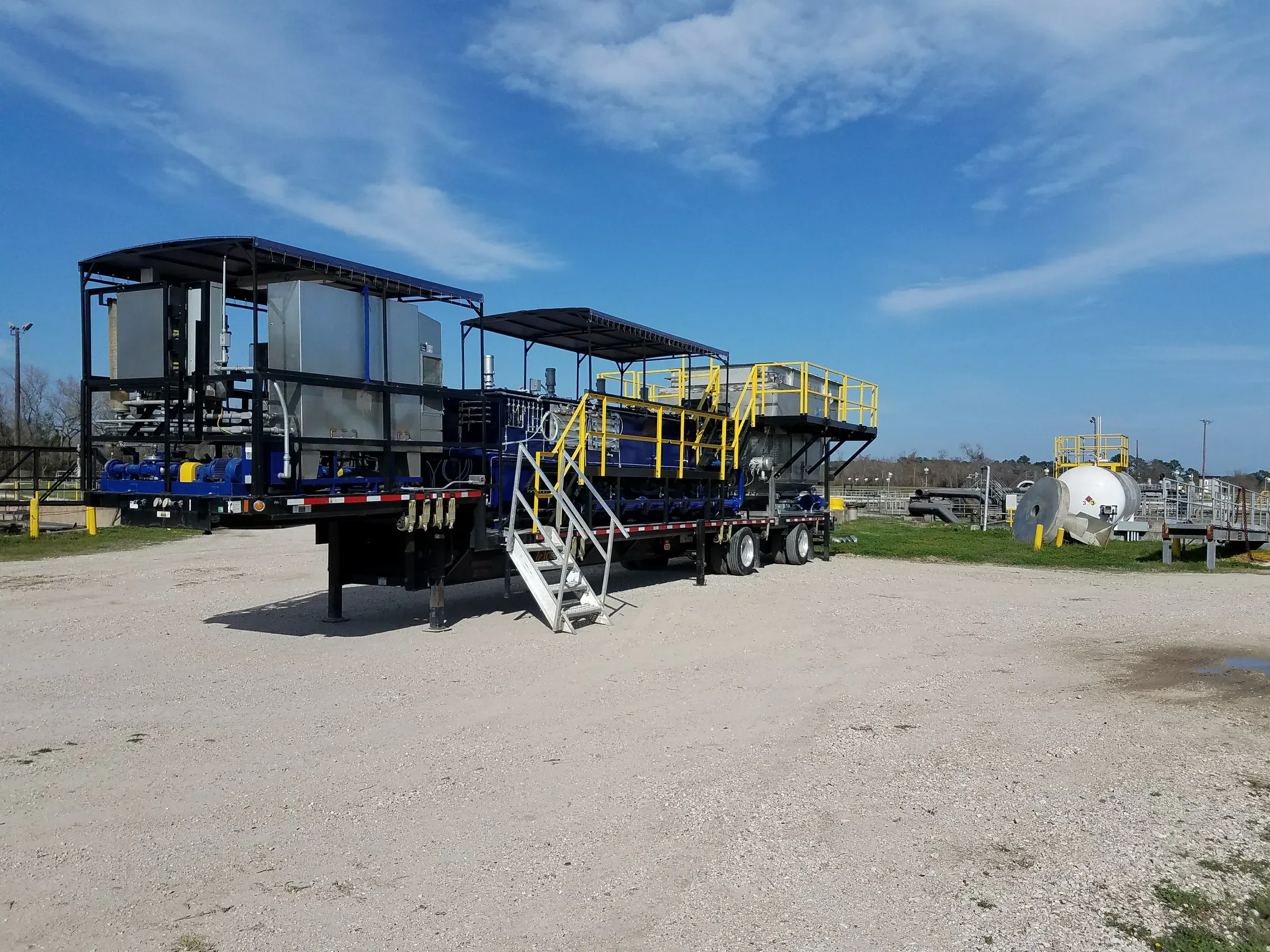
Two trailer-mounted treatment skids with access stairs and yellow handrails staged on gravel at a plant site

Culture

From check-the-box to hazard prevention

Daily toolbox talks and shared KPI dashboards turn compliance from an annual scramble into something the crew participates in. It is a slower change than writing a document, and it is the one that actually moves the violation count.

FAQs

Who needs an SPCC plan?

Broadly, facilities storing oil above the regulatory thresholds where a discharge could reach navigable waters. The specifics depend on your aggregate above-ground and buried storage capacity and your location. If you are unsure whether you cross the threshold, that determination is the first thing to settle.

How often do these plans need updating?

Whenever the facility changes in a way that affects them — new tanks, altered containment, changed drainage or a new process — and on the periodic review cycle the regulations set. Spectrum treats it as continuous rather than as a five-yearly event, because the plants that get caught out are the ones that changed and did not revise.

Can you do more than write the plan?

That is the point of the model. Spectrum embeds RCRA-certified technicians and compliance managers into your daily operation — running mock audits, controlling documents and training the workforce — so the plan stays connected to the plant rather than sitting in a binder.

What happens during a mock audit?

A full dry run against the plan, conducted the way a regulator would conduct it, with findings written up the same way. It surfaces the documentation gaps and the drifted procedures while there is still time to close them.

Four buckets, one call

Four service lines. One phone call.

Water, Environmental, Carbon, and Equipment run as one team under one contract — so you brief a single crew and get an answer, not a referral.

  • Water
  • Environmental
  • Carbon
  • Equipment