Coproduct recovery & blending
On-spec liquids and solids — glycol, oils, high-BTU sludges — captured and reblended as raw materials or fuels.
Why it matters
The material leaves as a product with a value, not as a line on a disposal invoice.
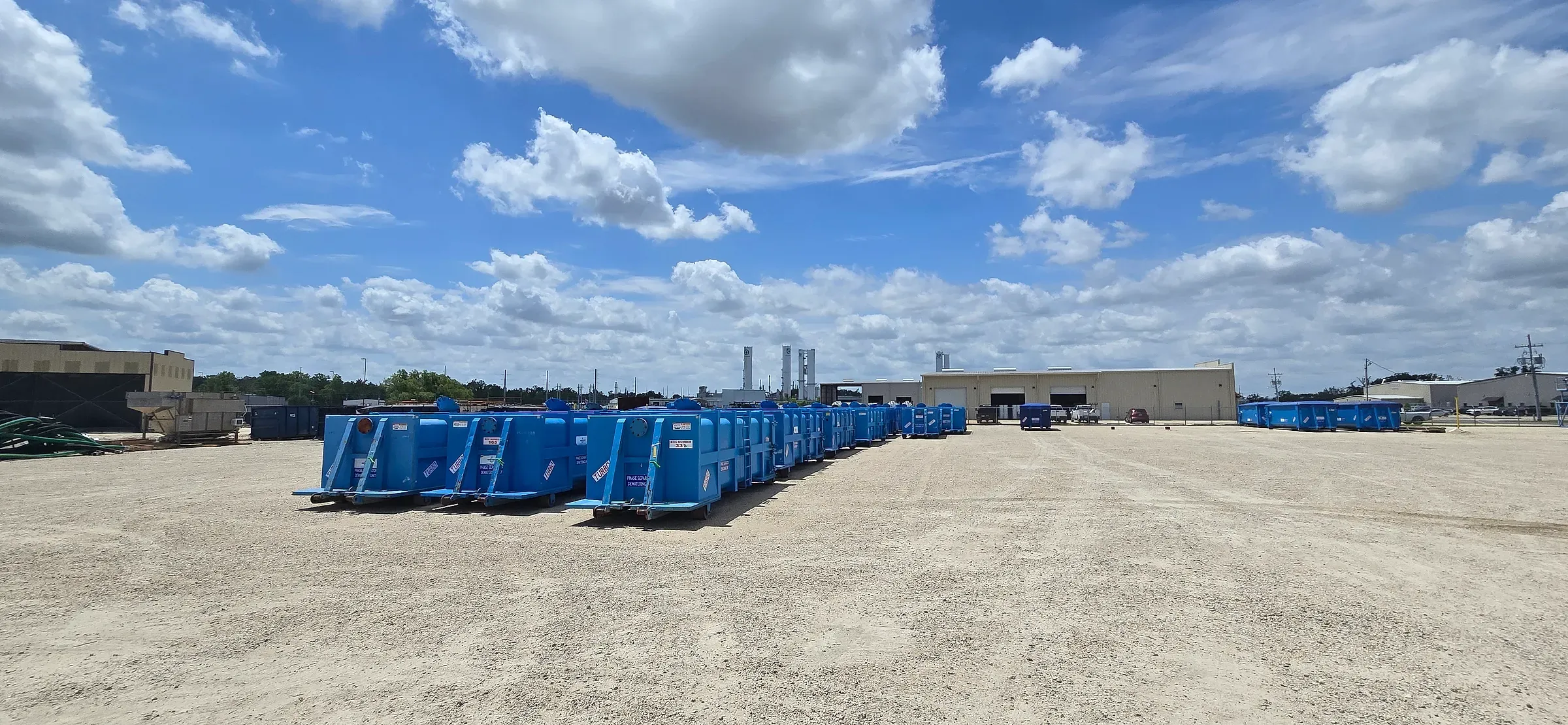
Environmental Solutions
The beneficial reuse program flips the script on industrial waste, turning a disposal liability into revenue and a sustainability result at the same time — because a significant share of what most plants pay to destroy is on-spec material with a buyer already waiting.
Figures as published by Spectrum Water.
The program
Recovery is the easy half. Segregation, buyers and documentation are what make it stick.
On-spec liquids and solids — glycol, oils, high-BTU sludges — captured and reblended as raw materials or fuels.
Why it matters
The material leaves as a product with a value, not as a line on a disposal invoice.
Over 50 vetted refiners, blenders and recyclers ready to accept material immediately.
Why it matters
Eliminates the market-search delay that stalls most reuse projects before they start.
Landfill and incineration fees typically cut by 30–50%, alongside a new income stream.
Why it matters
Proves that environmental stewardship and bottom-line performance are not a trade-off.
Continuous stream reviews that identify which materials qualify for segregation, treatment or reuse.
Why it matters
Most sites are already generating a reusable stream and mixing it into something that is not.
Practical changes at the point of generation so recoverable material stays recoverable.
Why it matters
Once a clean stream is contaminated, its value is gone and the disposal cost doubles.
Full records of what was diverted, where it went and what it displaced.
Why it matters
Feeds directly into ESG and sustainability reporting instead of needing reconstruction.
Start with the audit
They are just mixing it into something that is not. Continuous stream reviews uncover cost-saving segregation, treatment and reuse options that are invisible once material has been combined in a single tank.
The change needed at the point of generation is usually small. The change in what the stream is worth is not.
The network
A reuse project fails when the material is ready and nobody will take it. Spectrum maintains a network of more than 50 vetted refiners, blenders and recyclers, nationally and globally, who accept material immediately — which removes the market-search delay that is the single most common reason these programs never get off the ground.
On-spec liquids and solids are the core of it — glycol, oils and high-BTU sludges are the most common. The determining factor is usually whether the stream has been kept clean at the point of generation, which is why the waste audit comes first.
Clients regularly cut landfill and incineration fees by 30–50% while generating a new income stream from material they were previously paying to destroy. Last year the program diverted 6,000 tons out of the landfill and back into use.
Immediately, in most cases. The buyer network — over 50 vetted refiners, blenders and recyclers — is the reason. The usual killer of a reuse project is spending months looking for someone to take the material; that search has already been done.
Yes, and it is one of the few sustainability measures that pays for itself. Diverted tonnage, displaced virgin material and avoided landfill are all documented as the work happens, so the numbers going into a sustainability report are records rather than estimates.
Four buckets, one call
Water, Environmental, Carbon, and Equipment run as one team under one contract — so you brief a single crew and get an answer, not a referral.