Coal-based GAC
High-density bituminous grades with a broad pore structure, the general-purpose workhorse for industrial streams.
Why it matters
Best cost per unit of capacity across most mixed organic loads.
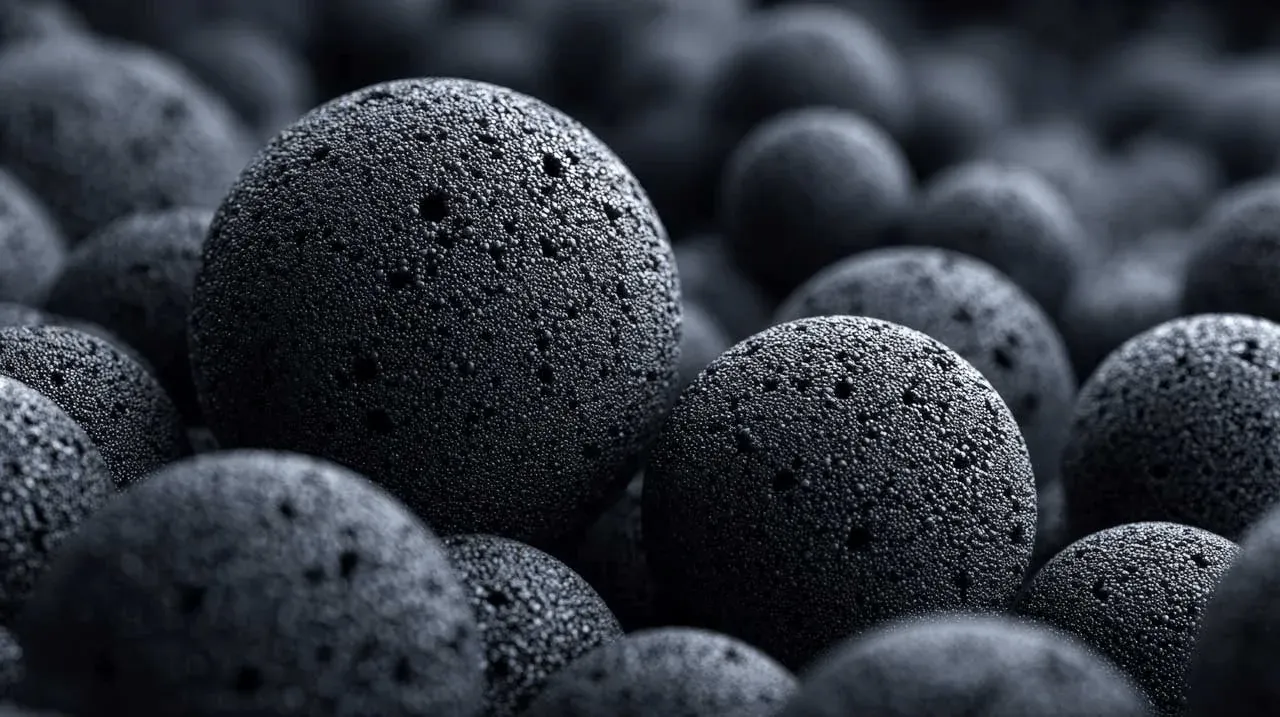
Carbon Solutions
Coal, coconut and wood-based GAC and pellet grades matched to adsorption rate, iodine number and bulk density — plus acid-washed carbon for low-pH streams, catalytic carbon for chloramine removal and PFAS-selective specialty grades. Chosen against your isotherm, not against what is in stock.
Media grades
Pore structure is the whole story — the wrong structure will not adsorb your contaminant at any bed depth.
High-density bituminous grades with a broad pore structure, the general-purpose workhorse for industrial streams.
Why it matters
Best cost per unit of capacity across most mixed organic loads.
High micropore volume and hardness, suited to low-molecular-weight organics and trace contaminants.
Why it matters
Higher capacity on trace compounds, and it survives more reactivation cycles.
Open macropore structure for larger molecules, color bodies and viscous streams.
Why it matters
Handles the large molecules that will not enter a micropore-dominant carbon at all.
Low-ash grades for streams where pH shift or metals leaching from the media is unacceptable.
Why it matters
Prevents the startup pH rise that fresh carbon beds otherwise cause.
Surface-modified media for chloramine and hydrogen sulfide destruction rather than simple adsorption.
Why it matters
Removes compounds that ordinary GAC adsorbs poorly, without a chemical feed.
Specialty grades selected specifically for per- and polyfluoroalkyl compounds.
Why it matters
PFAS bed life varies enormously by grade — this is where media choice pays for itself.
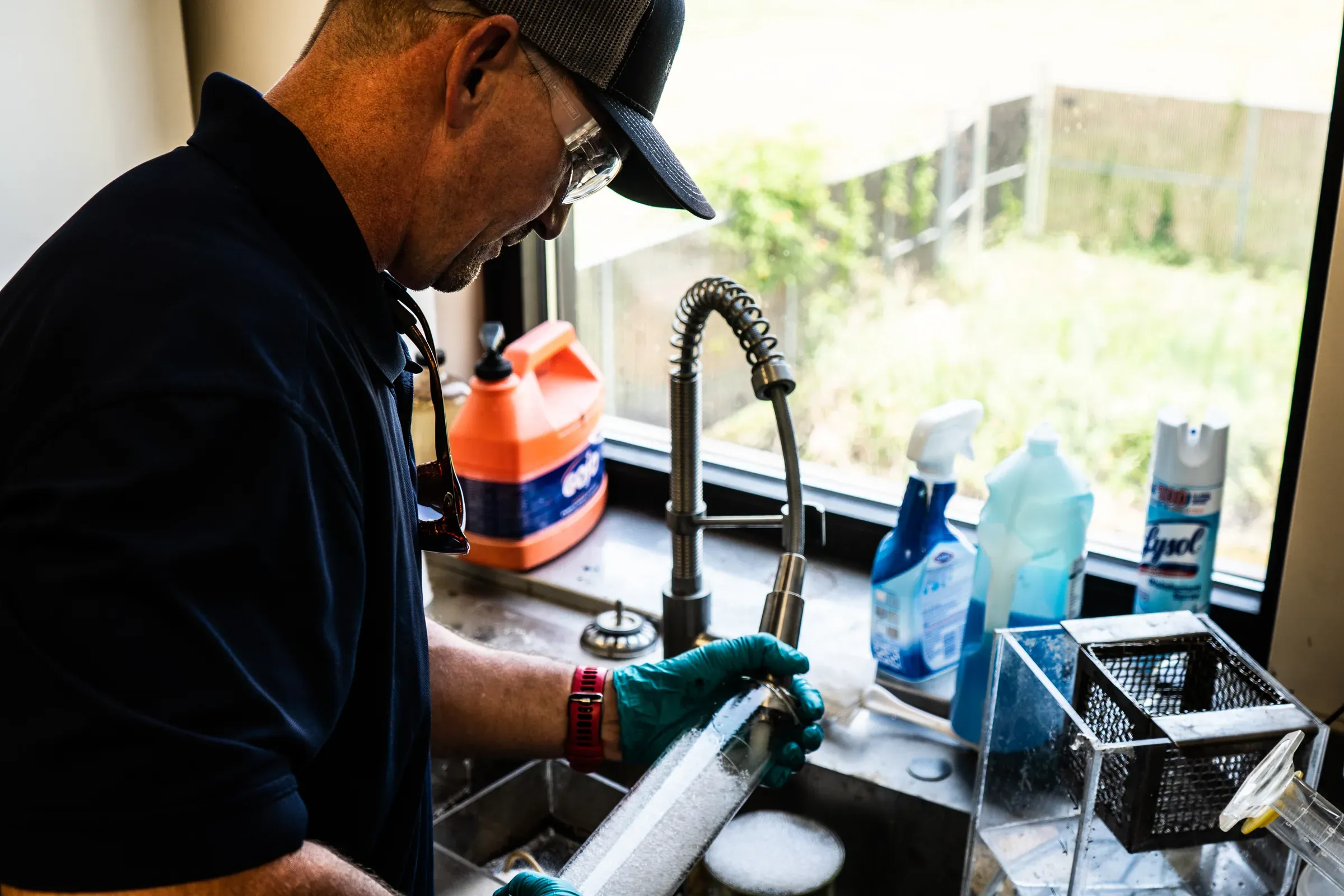
Selection
Sizing a carbon system from a table produces a bed that is either short-lived or oversized, and both are expensive. Field sampling and isotherm modeling on your own water establish the grade, the bed depth and the vessel configuration together.
The output is a bed-life forecast accurate to ±5%, which is what makes a change-out schedule plannable rather than reactive.
Inside the laboratory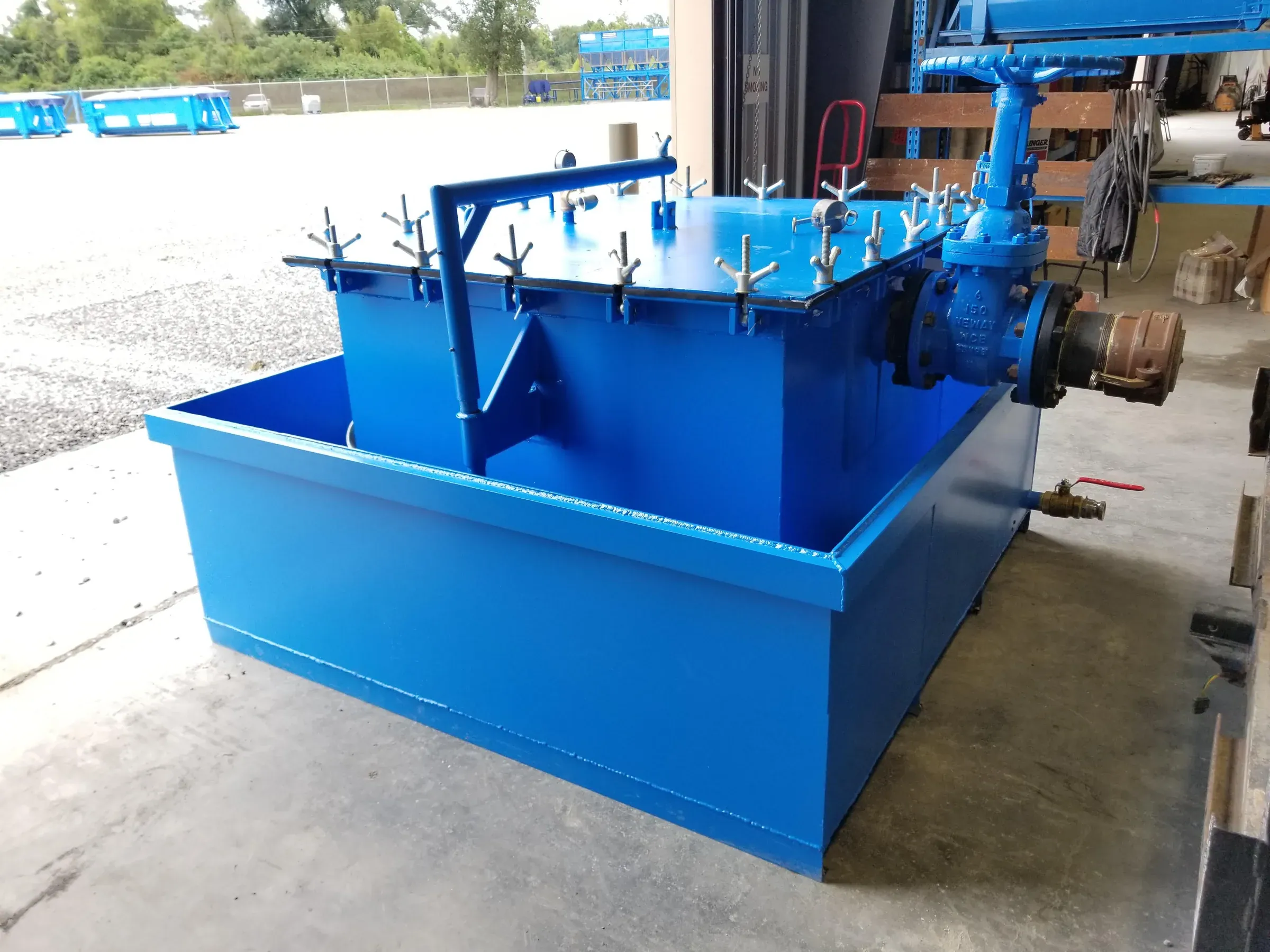
Protecting the bed
Emulsified hydrocarbons blind a carbon bed and fines drive pressure drop, and both waste media that was correctly specified. Organophilic clays strip hydrocarbons and surfactants before they reach the carbon; bag, cartridge and auto-backwash filtration intercept solids. Ion-exchange resins handle metals, ammonium and nitrates that carbon adsorbs poorly.
By the size of the molecule you are removing and the capacity you need. Coconut shell has the micropore volume for trace, low-molecular-weight organics; wood-based has the open macropores for large molecules and color bodies; coal-based sits in between and is usually the best cost per unit of capacity on a mixed load. Isotherm work on your own sample settles it.
It is a measure of micropore surface area, and it is a useful proxy for capacity on small molecules — but only a proxy. Media is matched on adsorption rate, iodine number and bulk density together, because a carbon with the right surface area and the wrong density will not behave as designed in your vessel.
Residual ash in the media. It is common, and on pH-sensitive applications it can push the effluent outside acceptable water quality parameters during the first hours of operation. Acid-washed grades are specified precisely to avoid it.
For most non-potable industrial duties, yes — and it costs roughly 40% less. Reactivated grades are manufactured from selected previously used carbons, screened before packaging for fewer fines and lower pressure drop. They are not intended for food-grade or potable systems.
Four buckets, one call
Water, Environmental, Carbon, and Equipment run as one team under one contract — so you brief a single crew and get an answer, not a referral.