Lower disposal volume
Spent media routed to reactivation rather than landfill or incineration.
Why it matters
Reduces waste volumes by up to 90%.
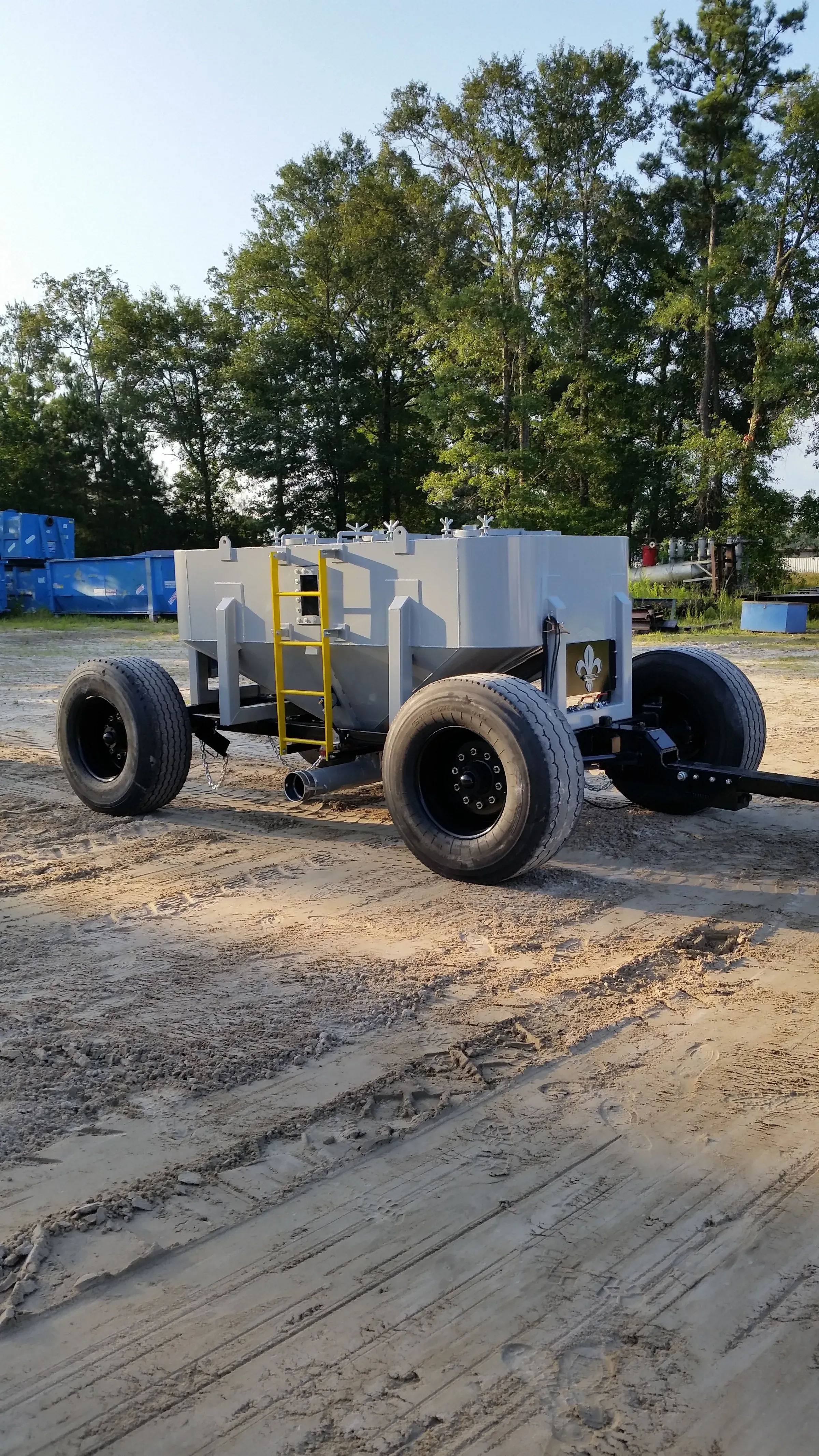
Carbon Solutions
Spent carbon routed for high-temperature steam reactivation rather than landfill comes back as usable media meeting ASTM activity specs — reducing waste volume by up to 90% and replacement cost by roughly 40%. The change-out, the manifesting and the return are all handled by the same crew.
Figures as published by Spectrum Water.
The cycle
Five stages that repeat for the life of the installation.
Remote monitoring flags approaching breakthrough from the installed flow, pressure and sensor data, before the effluent sample would catch it.
The vessel is scheduled around your operation rather than around ours, with the replacement media staged in advance.
Vacuum extraction, vessel inspection and media reload completed in a single shift by respirator-trained, confined-space crews.
ResultMinimal downtime on the vessel.
Spent drums or supersacks are consolidated at the Lake Charles RCRA 10-day storage site and manifested for onward shipment.
ResultFull loads rather than partial ones, which cuts freight.
Partner rotary-kiln facilities run high-temperature steam reactivation to ASTM activity specs, and the media returns as usable carbon.
ResultUp to 90% less disposal volume and roughly 40% lower media cost.
Why it is worth doing
On a system running continuously, this is the difference between a cost center and a managed line item.
Spent media routed to reactivation rather than landfill or incineration.
Why it matters
Reduces waste volumes by up to 90%.
Reactivated grades returned in place of virgin replacement carbon.
Why it matters
Roughly 40% saving on the replacement line, on every cycle.
High-temperature steam reactivation that meets ASTM activity specifications.
Why it matters
Performance you can design around, not a downgraded substitute.
Product screened prior to packaging.
Why it matters
Lower pressure drop and less backwashing once the bed is in service.
Extraction, inspection and reload completed without a multi-day outage.
Why it matters
The vessel is back in duty the same day.
RCRA 10-day transfer, consolidation and manifesting handled by Spectrum.
Why it matters
One company accountable from breakthrough to final documentation.
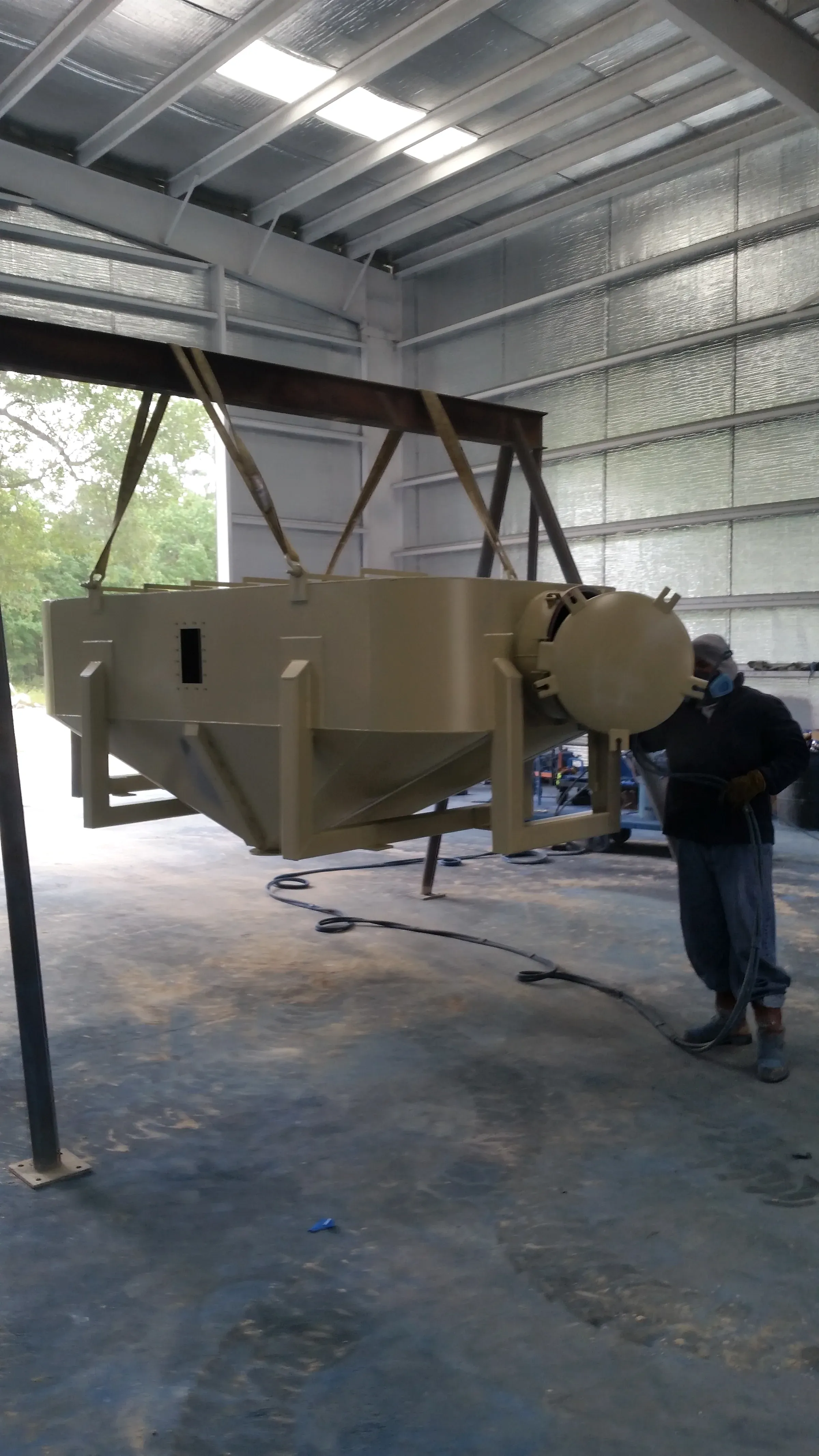
Field services
Change-out is confined-space work with respirator requirements, and Spectrum's field crews mobilize with specialty lifts and the protocols to match — liquid or vapor phase, from 200 lb pots up to full 20,000 lb ASME vessels. The people doing the change-out work for the same company that sized the bed.

Circularity
Reactivation propagates responsible resource utilization cycles — the same carbon serves through repeated uses rather than being manufactured, buried and manufactured again. For sites reporting on sustainability, it is one of the rare measures that improves the environmental number and the cost number in the same direction.
Reactivation is thermal — spent carbon is taken to high temperature in a rotary kiln with steam, which destroys the adsorbed organics and restores the pore structure to ASTM activity specs. It is the process that lets the same media be used through repeated cycles rather than downgraded.
For non-potable industrial duties, close enough that the economics are decisive: it meets ASTM activity specs, is screened for fewer fines and lower pressure drop, and costs roughly 40% less. It is not intended for food-grade or potable systems.
Spectrum. Spent drums and supersacks are consolidated at the permitted Lake Charles RCRA 10-day storage site, manifested, and shipped to a final TSDF or to the reactivation kilns. You are not managing a separate waste contractor for the media.
A single shift for vacuum extraction, vessel inspection and media reload. Scheduling is driven by the breakthrough forecast, which the installed sensors and the remote monitoring portal give you in advance rather than after the fact.
Four buckets, one call
Water, Environmental, Carbon, and Equipment run as one team under one contract — so you brief a single crew and get an answer, not a referral.