Gravity separators
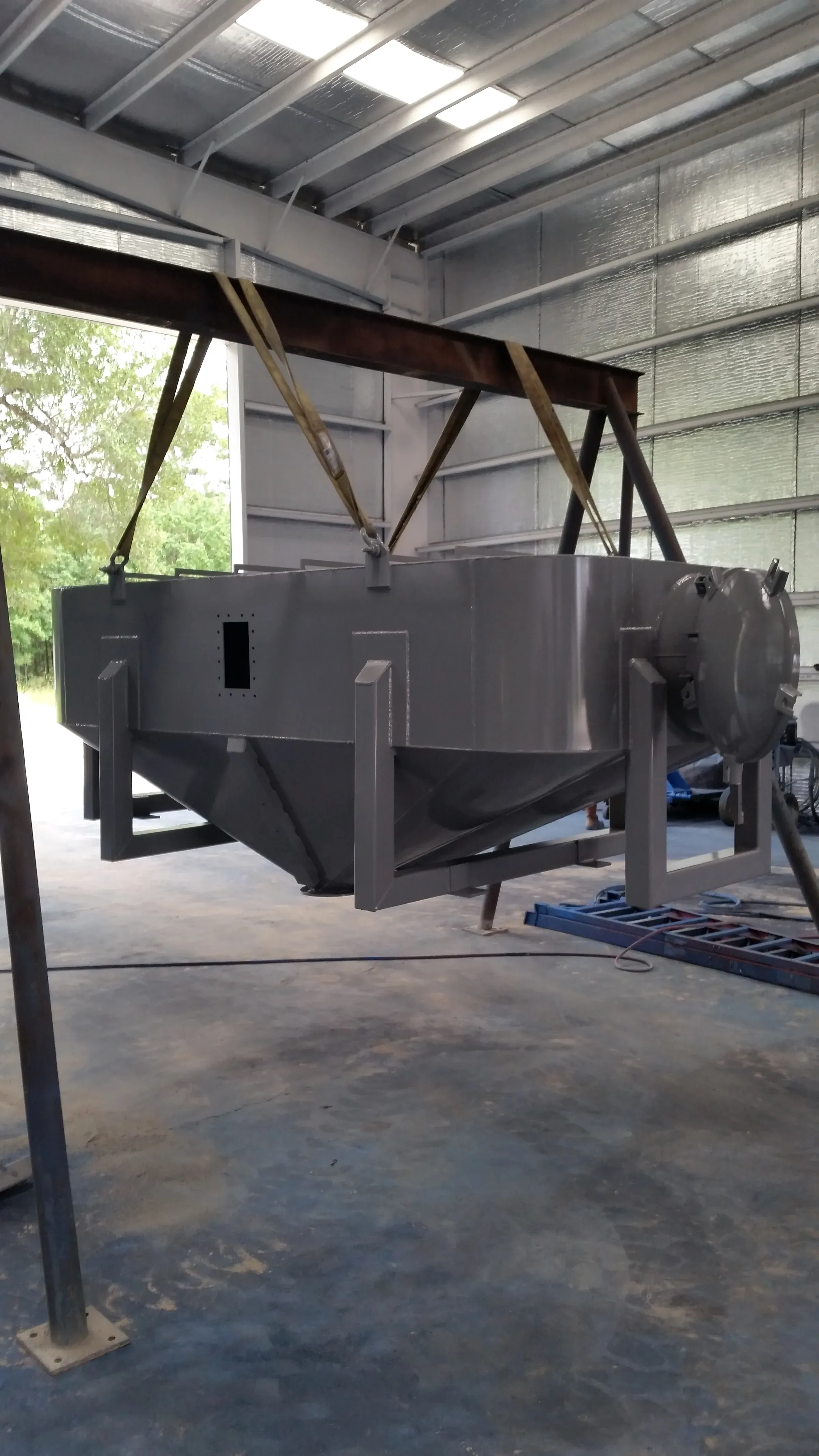
API-style separators that let free oil rise and heavy solids settle in a quiescent chamber.
Where it fits
Handles high free-oil loading cheaply, and is the right first stage on a heavy stream.
Equipment Solutions
Coalescing and gravity separators that pull free and dispersed oil off the stream ahead of carbon, biology and the outfall — because oil blinds carbon beds, smothers biomass and fouls membranes, and removing it first is the cheapest protection available.
The design question
Free oil floats on its own and a gravity separator will take it out. Dispersed oil is fine droplets suspended through the water, and needs a coalescing pack to merge them into droplets buoyant enough to rise. Emulsified oil is chemically stabilized and will not separate mechanically at any residence time.
Most disappointing separator installations are a design built for one of those states and fed a stream that is mostly another. Characterizing the oil first is what avoids it.
The range
Heavy streams usually need two of these; stabilized emulsions need three.
API-style separators that let free oil rise and heavy solids settle in a quiescent chamber.
Where it fits
Handles high free-oil loading cheaply, and is the right first stage on a heavy stream.
Plate or media packs that merge fine dispersed droplets into ones large enough to rise.
Where it fits
Removes the dispersed oil that a gravity separator alone will pass straight through.
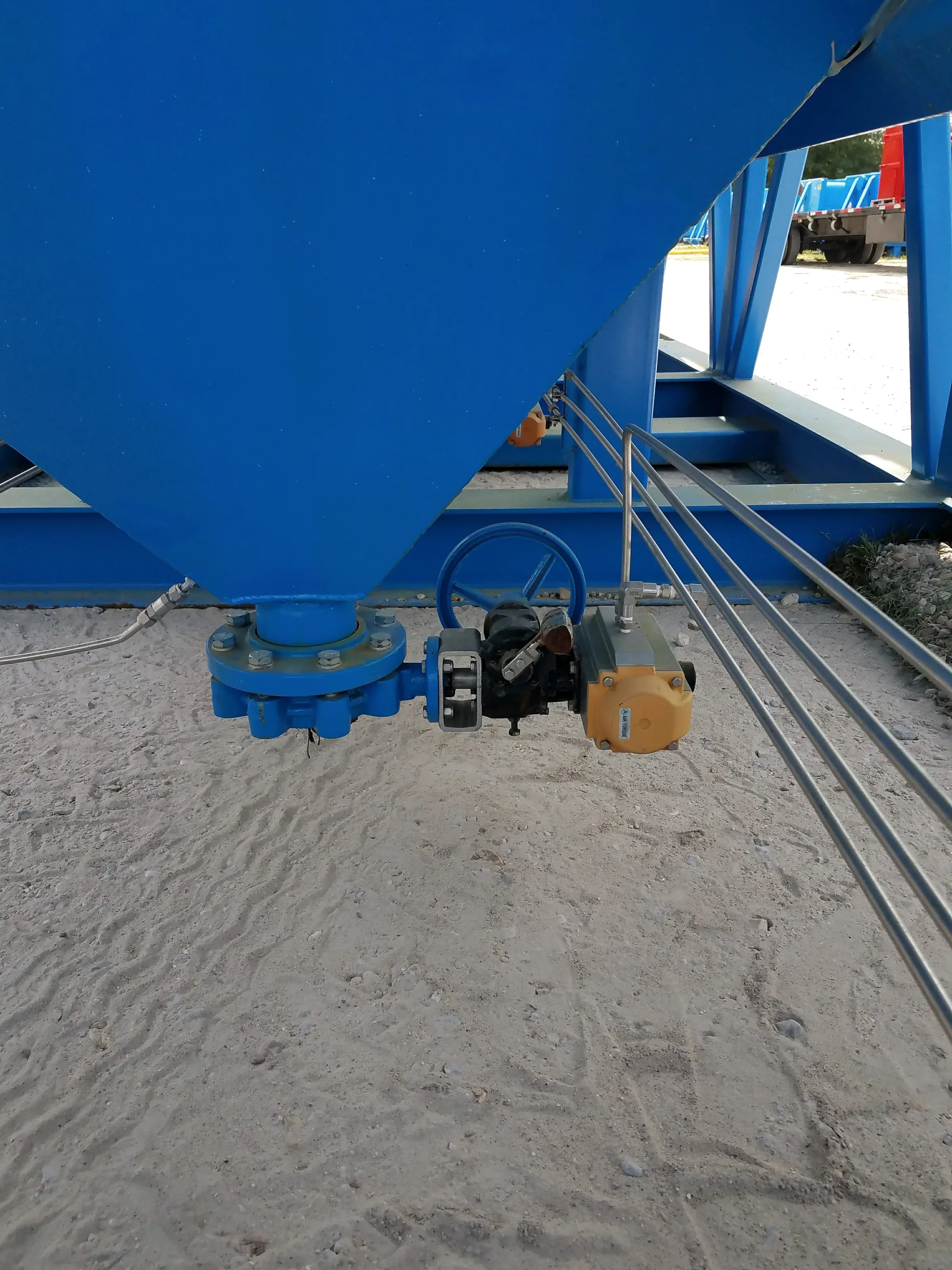
Cone-bottom vessels with flanged discharge and actuated butterfly valves for solids draw-off.
Where it fits
Sludge and grit come off concentrated instead of accumulating in the chamber.
Modified hydrophobic clays downstream of the separator to strip emulsified hydrocarbons and surfactants.
Where it fits
Emulsified oil is what blinds carbon beds — this is the stage that protects them.
Dissolved air flotation with chemical conditioning where the emulsion is chemically stabilized.
Where it fits
Some emulsions will not break mechanically at any residence time.
Custom vessels, materials and internals fabricated in Spectrum’s own shop.
Where it fits
For footprints, temperatures or chemistries no catalog unit covers.
Fabrication
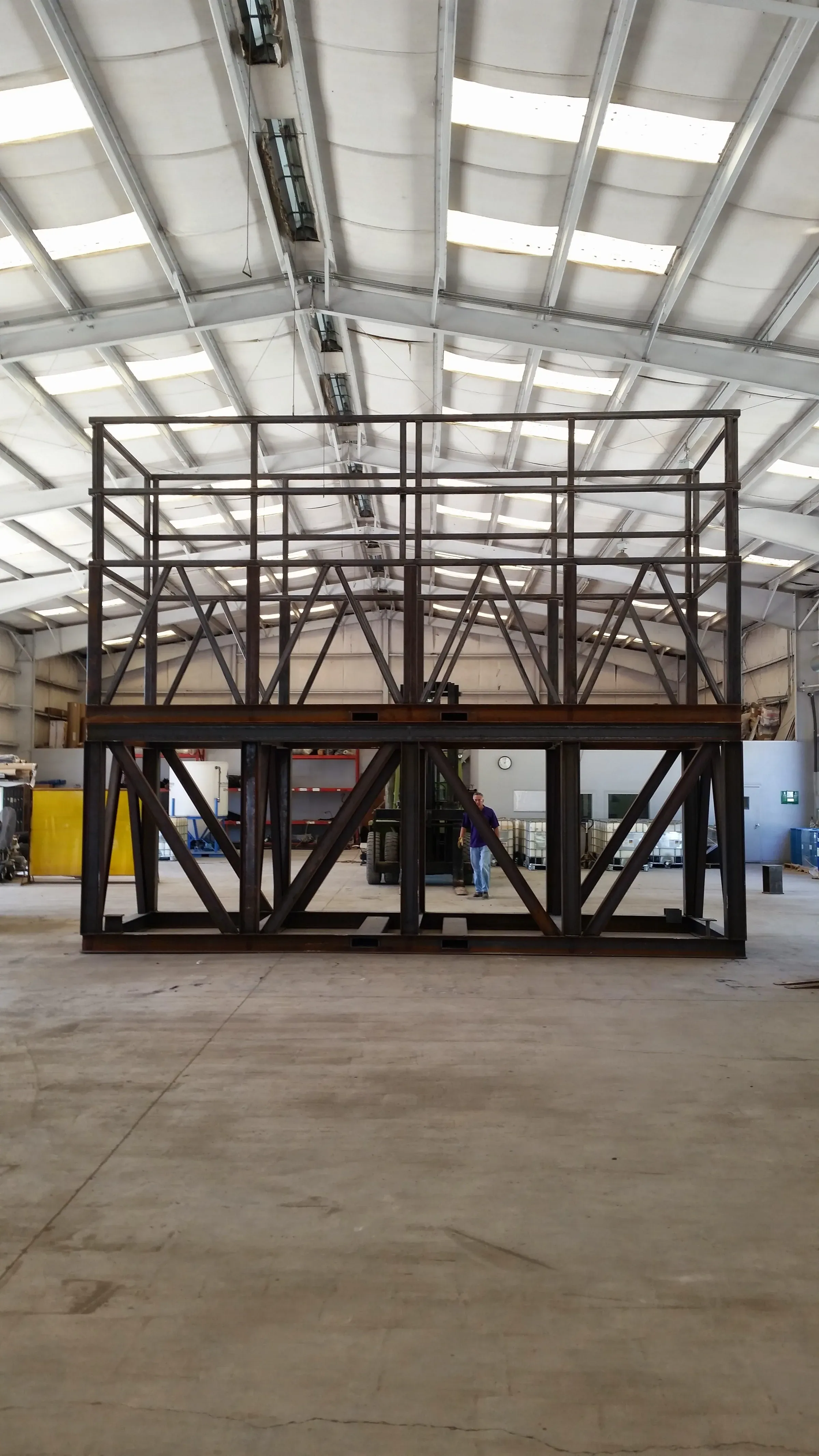
Where no catalog unit fits the footprint, the temperature or the chemistry, separators are fabricated to spec in Spectrum's shop — custom geometry, materials and internals, modeled before steel is cut. The same building holds the process chemists who characterized the stream in the first place.
Inside the fabrication shopFree oil floats on its own and a gravity separator handles it. Dispersed oil is fine droplets suspended through the water — a coalescing pack merges them into droplets large enough to rise. Emulsified oil is chemically stabilized and will not separate mechanically at all; it needs chemical treatment, DAF or organophilic clay. Knowing which you have determines the whole design.
Because of what it protects. Oil blinds activated carbon beds, smothers biomass in biological treatment and fouls membranes. Removing it first is usually the cheapest thing you can do to extend the life of everything behind it.
From analysis, not assumption. Spectrum’s in-house laboratory characterizes the oil, and the design follows from whether it is free, dispersed or emulsified — and from the discharge limit you have to hit.
Often it is worth money. On-spec recovered oils go into Spectrum’s beneficial reuse program, which places them with vetted refiners and blenders as raw material or fuel rather than sending them for disposal.
Four buckets, one call
Water, Environmental, Carbon, and Equipment run as one team under one contract — so you brief a single crew and get an answer, not a referral.